Unlocking Arterial Health: The Power of Vitamin K2
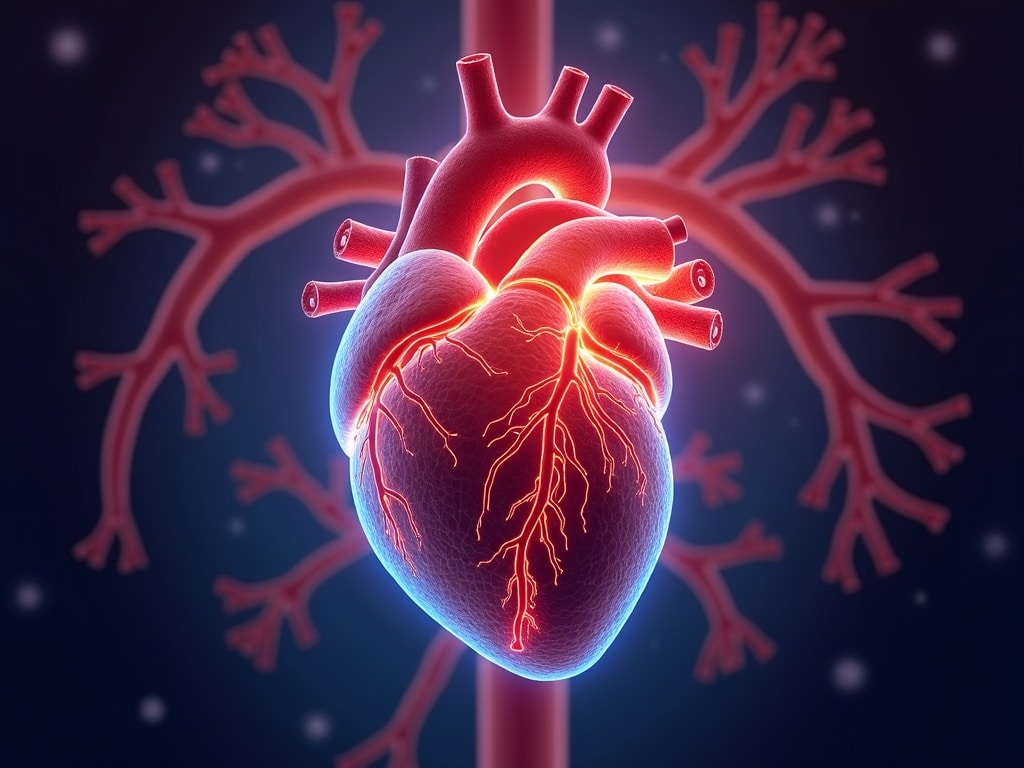
Imagine your arteries as a complex network of highways, responsible for delivering life-giving nutrients and oxygen throughout your body. Now, picture calcium – a vital mineral – as little pebbles that, if misdirected, can accumulate and harden these highways, impeding the smooth flow of traffic. This, in essence, is what arterial calcification is all about, and it’s a major risk factor for heart disease. But what if there was a traffic controller – a nutrient that could help ensure calcium gets to where it needs to go (your bones) and stays away from where it doesn't (your arteries)? Enter vitamin K2, the unsung hero of cardiovascular health.
Understanding the Arterial Health Puzzle
Before diving into the specifics of vitamin K2, it’s crucial to understand the landscape of arterial health and the factors that contribute to its decline. Arterial calcification, the hardening of the arteries due to calcium buildup, is a gradual process often linked to:
- Aging: As we age, our arteries naturally become more susceptible to calcium deposits.
- Vitamin D Supplementation without K2: High doses of vitamin D can increase calcium absorption, potentially leading to excess calcium in the bloodstream if K2 isn't present to direct it properly.
- Kidney Disease: Impaired kidney function can disrupt calcium and phosphate balance, increasing calcification risk.
- Inflammation: Chronic inflammation can damage the arterial walls, making them more prone to calcium deposition.
- Poor Diet & Lifestyle: A diet high in processed foods, saturated fats, and sugar, combined with a sedentary lifestyle, can contribute to arterial damage and calcification.
The consequences of arterial calcification are significant, increasing the risk of:
- High Blood Pressure: Hardened arteries are less flexible, leading to increased resistance to blood flow and elevated blood pressure.
- Heart Attack: Calcified arteries can rupture or become blocked, leading to a heart attack.
- Stroke: Similarly, calcification in arteries leading to the brain can cause a stroke.
- Peripheral Artery Disease (PAD): Calcification in the arteries of the legs and feet can lead to PAD, causing pain, numbness, and even amputation in severe cases.
Vitamin K: More Than Just Clotting
Vitamin K is a fat-soluble vitamin that plays a vital role in several bodily functions. While vitamin K1 (phylloquinone) is primarily known for its role in blood clotting, vitamin K2 (menaquinone) boasts a broader range of benefits, particularly for bone and cardiovascular health. There are several forms of vitamin K2, with MK-4 and MK-7 being the most well-known and researched. MK-4 has a short half-life, while MK-7 stays in the body longer, offering more sustained benefits.
The Calcium Conundrum: Directing Traffic with K2
The magic of vitamin K2 lies in its ability to activate proteins that regulate calcium metabolism. One key protein is osteocalcin, produced by osteoblasts (bone-building cells). When activated by vitamin K2, osteocalcin binds to calcium and helps incorporate it into the bone matrix, strengthening bones and preventing osteoporosis. Another crucial protein is matrix GLA protein (MGP), found in arterial walls. Activated MGP inhibits calcium deposition in arteries, preventing calcification and maintaining arterial flexibility. In essence, vitamin K2 acts as a crucial regulator, ensuring calcium goes where it's needed (bones) and stays away from where it's not (arteries).
The Science Behind Vitamin K2 and Arterial Health: Studies and Evidence
Numerous studies have investigated the link between vitamin K2 and arterial health, providing compelling evidence for its protective effects.
- The Rotterdam Study: This landmark study, involving over 4,800 participants, found that high dietary intake of vitamin K2 was associated with a reduced risk of arterial calcification and cardiovascular disease. Participants with the highest K2 intake had a 50% lower risk of dying from heart disease compared to those with the lowest intake.
- The Prospect-EPIC Study: This European study, involving over 16,000 participants, also found a significant inverse association between vitamin K2 intake and coronary heart disease.
- Intervention Studies: Several intervention studies have shown that vitamin K2 supplementation can improve arterial stiffness and reduce the progression of arterial calcification, particularly in individuals with existing cardiovascular risk factors.
These studies, and many others, highlight the significant role vitamin K2 plays in maintaining arterial health and reducing the risk of cardiovascular disease. While more research is always needed, the current evidence base strongly supports the inclusion of vitamin K2 in a heart-healthy lifestyle.
Incorporating Vitamin K2 into Your Diet: Food Sources and Supplementation
While our bodies can convert some vitamin K1 into K2, the conversion rate is often low. Therefore, obtaining K2 directly from food sources or supplements is crucial.
Food Sources Rich in Vitamin K2
Dietary sources of vitamin K2 can be somewhat limited, but here are some of the best options:
- Natto: A traditional Japanese dish made from fermented soybeans, natto is the richest known source of MK-7. Its strong flavor and pungent aroma may not appeal to everyone, but its K2 content is exceptional.
- Fermented Foods: Other fermented foods, such as sauerkraut and kimchi (in smaller amounts), can also contribute to your K2 intake.
- Animal Products: Certain animal products, particularly those from grass-fed animals, contain vitamin K2 as MK-4. These include:
- Egg Yolks: Especially from pasture-raised chickens.
- Hard Cheeses: Such as Gouda, Edam, and Brie.
- Butter: From grass-fed cows.
- Organ Meats: Such as liver.
It's worth noting that the K2 content in animal products can vary significantly depending on the animal's diet and living conditions. Opting for grass-fed and pasture-raised options whenever possible will ensure a higher K2 intake.
Vitamin K2 Supplementation: A Targeted Approach
For individuals who struggle to obtain sufficient K2 from dietary sources, supplementation can be a valuable option. Vitamin K2 supplements are available in various forms, with MK-7 generally preferred due to its longer half-life and sustained effects.
When considering K2 supplements, keep these tips in mind:
- Choose MK-7: Opt for a supplement containing MK-7, preferably in the trans form, which is more bioavailable.
- Consider Combination with Vitamin D3: Many supplements combine K2 with vitamin D3, as these two nutrients work synergistically to support bone and cardiovascular health.
- Dosage: The optimal dosage of vitamin K2 can vary depending on individual needs and health conditions. A common recommendation is between 100 mcg and 200 mcg per day, but it's best to consult with a healthcare professional to determine the appropriate dosage for you.
- Quality: Choose a reputable brand that uses high-quality ingredients and undergoes third-party testing to ensure purity and potency.
Before starting any new supplement regimen, it is essential to consult with your doctor, especially if you are taking blood-thinning medications like warfarin. Vitamin K can interact with these medications, potentially affecting their effectiveness.
Synergistic Strategies for Optimal Arterial Health: Beyond Vitamin K2
While vitamin K2 plays a crucial role in arterial health, it's important to remember that it's just one piece of the puzzle. A holistic approach that incorporates other lifestyle and dietary strategies is essential for optimal cardiovascular well-being.
- A Heart-Healthy Diet: Focus on a diet rich in fruits, vegetables, whole grains, lean protein, and healthy fats. Limit processed foods, sugary drinks, and saturated and trans fats.
- Regular Exercise: Aim for at least 30 minutes of moderate-intensity exercise most days of the week. Exercise helps lower blood pressure, improve cholesterol levels, and reduce inflammation, all of which benefit arterial health.
- Maintain a Healthy Weight: Obesity is a major risk factor for heart disease. Losing even a small amount of weight can significantly improve your cardiovascular health.
- Manage Stress: Chronic stress can contribute to inflammation and increase the risk of heart disease. Practice stress-reducing techniques such as yoga, meditation, or spending time in nature.
- Quit Smoking: Smoking damages the arteries and increases the risk of blood clots. Quitting smoking is one of the best things you can do for your heart health.
- Optimize Vitamin D Levels: Vitamin D is essential for calcium absorption, but it's crucial to ensure you're also getting enough vitamin K2 to direct the calcium to the right places.
The Future of Vitamin K2 Research: Emerging Insights
Research into vitamin K2 and its impact on health is ongoing, with new studies constantly emerging. Current research is exploring the potential benefits of vitamin K2 in other areas, including:
- Cancer Prevention: Some studies suggest that vitamin K2 may have anti-cancer properties, particularly against liver and prostate cancer.
- Neuroprotection: Emerging evidence suggests that vitamin K2 may play a role in protecting against neurodegenerative diseases such as Alzheimer's and Parkinson's.
- Dental Health: Vitamin K2 is believed to play a role in dental health by activating proteins that help mineralize teeth.
These are exciting areas of research that could further expand our understanding of the diverse benefits of vitamin K2.
Conclusion: Embracing Vitamin K2 for a Healthier Heart and Arteries
Vitamin K2 is a powerful nutrient that plays a critical role in maintaining arterial health by regulating calcium metabolism and preventing arterial calcification. By incorporating K2-rich foods into your diet, considering supplementation, and adopting a heart-healthy lifestyle, you can take proactive steps to protect your arteries and reduce your risk of cardiovascular disease. It's not just about living longer; it's about living healthier, with a strong, flexible cardiovascular system that supports an active and fulfilling life. So, start prioritizing your vitamin K2 intake today – your heart will thank you for it.