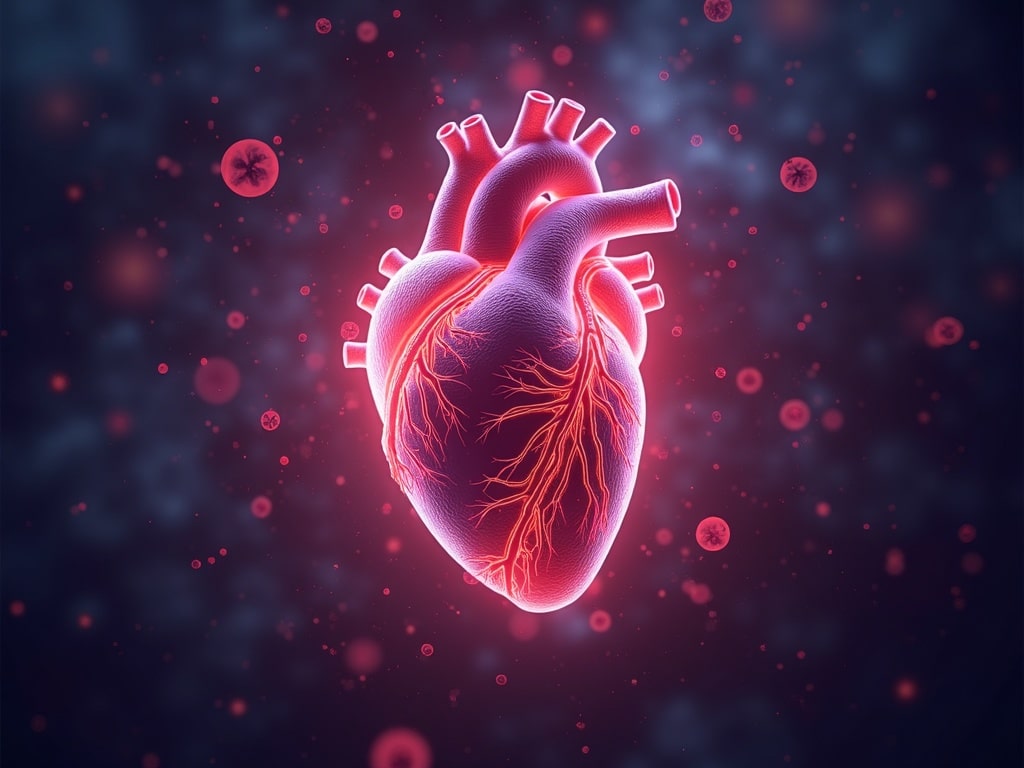
The Heart-Inflammation Connection: Unveiling the Critical Link
Imagine your heart, that tireless engine propelling you through life, suddenly sputtering and struggling. It’s a frightening scenario, and while high cholesterol and blood pressure often take center stage in discussions about heart disease, there's a quieter, more insidious player lurking in the shadows: inflammation. Could this be the missing piece of the puzzle, the hidden link between seemingly unrelated ailments and the health of your cardiovascular system?
For years, doctors primarily focused on traditional risk factors like diet, exercise, and genetics. However, groundbreaking research is now revealing the profound impact of chronic inflammation on the development and progression of heart disease. This article dives deep into the fascinating, and sometimes alarming, link between inflammation and heart disease, exploring how it works, what you can do to mitigate your risk, and how to protect your heart for a long and healthy life.
Understanding Inflammation: The Body's Double-Edged Sword
Inflammation is a natural and essential process. Think of it as your body's internal alarm system, a complex biological response triggered by injury, infection, or irritation. When you cut your finger, the redness, swelling, and pain are all signs of inflammation at work, rushing immune cells to the site to repair the damage and fight off any invading pathogens. This acute inflammation is a vital part of the healing process.
Chronic vs. Acute Inflammation: Knowing the Difference
The trouble arises when inflammation becomes chronic, smoldering beneath the surface for months or even years. Unlike acute inflammation, which is a short-term response, chronic inflammation is a persistent, low-grade state of immune activation. This can be sparked by a variety of factors, including:
- Autoimmune diseases: Conditions like rheumatoid arthritis and lupus cause the immune system to mistakenly attack healthy tissues, leading to chronic inflammation.
- Chronic infections: Persistent infections, even low-grade ones, can keep the inflammatory response activated.
- Lifestyle factors: Poor diet, lack of exercise, chronic stress, and smoking all contribute to chronic inflammation.
- Environmental toxins: Exposure to pollutants and other toxins can trigger an inflammatory response.
How Inflammation Harms the Heart
So, how does this chronic inflammation wreak havoc on your cardiovascular system? The mechanisms are complex and multifaceted, but here are some of the key ways inflammation contributes to heart disease:
Atherosclerosis: The Foundation of Heart Disease
Atherosclerosis, the hardening and narrowing of the arteries, is a primary driver of heart disease. Inflammation plays a crucial role in every stage of this process. It starts with damage to the endothelium, the delicate inner lining of the arteries. Inflammatory cells are then attracted to the site of damage, where they contribute to the build-up of plaque – a sticky substance made of cholesterol, fat, calcium, and other cellular debris. This plaque gradually narrows the arteries, restricting blood flow to the heart and other vital organs. Learn more about atherosclerosis.
Plaque Instability: Turning a Threat into a Ticking Time Bomb
Not all plaques are created equal. Some are stable, meaning they are hard and less likely to rupture. However, inflammation can make plaques unstable, meaning they are more prone to breaking open. When a plaque ruptures, it triggers a blood clot, which can completely block the artery, leading to a heart attack or stroke.
Direct Damage to Heart Tissue
Inflammation isn't just limited to the arteries. It can also directly damage the heart muscle itself, leading to conditions like myocarditis (inflammation of the heart muscle) and contributing to heart failure. Chronic inflammation can also disrupt the heart's electrical system, increasing the risk of arrhythmias (irregular heartbeats).
Insulin Resistance and Diabetes: A Dangerous Duo
Inflammation is closely linked to insulin resistance, a condition where the body's cells become less responsive to insulin, the hormone that regulates blood sugar. Insulin resistance is a hallmark of type 2 diabetes, a major risk factor for heart disease. The combination of inflammation, insulin resistance, and high blood sugar creates a perfect storm for damaging the cardiovascular system.

Identifying Inflammation: What to Look For
Unfortunately, chronic inflammation often has no obvious symptoms in its early stages. It's a silent process, gradually eroding your health from the inside out. However, as inflammation progresses, you may experience some of the following symptoms:
- Fatigue: Persistent tiredness that doesn't improve with rest.
- Joint pain: Aches and stiffness in the joints.
- Digestive issues: Bloating, constipation, or diarrhea.
- Skin problems: Rashes, eczema, or psoriasis.
- Frequent infections: A weakened immune system.
The Role of Blood Tests
While symptoms can provide clues, the most reliable way to assess your inflammation levels is through blood tests. C-reactive protein (CRP) is a key marker of inflammation in the body. A high-sensitivity CRP (hs-CRP) test is particularly useful for assessing cardiovascular risk. Other blood tests, such as erythrocyte sedimentation rate (ESR) and fibrinogen, can also provide information about inflammation levels.
Fighting Inflammation: A Multi-Pronged Approach
The good news is that you can take proactive steps to combat inflammation and protect your heart. A holistic approach that combines lifestyle modifications, dietary changes, and, in some cases, medical interventions is the most effective strategy.
Dietary Power: Fueling Your Body with Anti-inflammatory Foods
What you eat has a profound impact on inflammation. An anti-inflammatory diet focuses on whole, unprocessed foods that are rich in nutrients and antioxidants. Key components of an anti-inflammatory diet include:
- Fruits and vegetables: Aim for a rainbow of colors, as different fruits and vegetables contain different antioxidants. Berries, leafy greens, broccoli, and bell peppers are particularly beneficial.
- Healthy fats: Omega-3 fatty acids, found in fatty fish (salmon, tuna, mackerel), flaxseeds, and walnuts, have potent anti-inflammatory effects.
- Whole grains: Choose whole grains like brown rice, quinoa, and oats over refined grains like white bread and pasta.
- Lean protein: Opt for lean sources of protein like chicken, fish, beans, and lentils.
- Spices: Turmeric, ginger, and garlic are powerful anti-inflammatory spices that you can easily incorporate into your meals.
Conversely, it's important to limit or avoid foods that promote inflammation, such as:
- Processed foods: Packaged snacks, sugary drinks, and fast food are often loaded with unhealthy fats, sugar, and additives that trigger inflammation.
- Refined carbohydrates: White bread, pasta, and pastries can cause rapid spikes in blood sugar, contributing to inflammation.
- Red meat and processed meats: These foods are high in saturated fat and can promote inflammation.
- Sugar: Excessive sugar consumption is a major driver of inflammation.
Lifestyle Tweaks: Exercise, Stress Management, and Sleep
Beyond diet, several lifestyle factors play a crucial role in managing inflammation:
- Regular exercise: Physical activity has powerful anti-inflammatory effects. Aim for at least 30 minutes of moderate-intensity exercise most days of the week.
- Stress management: Chronic stress can wreak havoc on your immune system and contribute to inflammation. Practice relaxation techniques like yoga, meditation, or deep breathing exercises.
- Adequate sleep: Lack of sleep disrupts hormone balance and increases inflammation. Aim for 7-8 hours of quality sleep per night.
- Quit smoking: Smoking is a major source of inflammation and damages the cardiovascular system.
Medical Management: When Medication is Necessary
In some cases, lifestyle changes alone may not be sufficient to control inflammation. Your doctor may recommend medications to help manage inflammation and reduce your risk of heart disease. These may include:
- Statins: These drugs, primarily used to lower cholesterol, also have anti-inflammatory effects.
- Aspirin: Low-dose aspirin can help prevent blood clots and reduce the risk of heart attack and stroke, but it's not appropriate for everyone.
- Anti-inflammatory medications: In certain cases, medications specifically designed to reduce inflammation, such as corticosteroids or biologics, may be necessary.
The Future of Heart Health: Targeting Inflammation
The understanding of the link between inflammation and heart disease is rapidly evolving. Researchers are exploring novel therapies that specifically target inflammatory pathways, offering hope for more effective treatments in the future. By embracing a proactive approach that focuses on reducing inflammation, we can significantly reduce our risk of heart disease and pave the way for a healthier, longer life.
The connection between inflammation and heart disease is undeniable. By understanding this critical link and taking steps to manage inflammation through diet, lifestyle, and, when necessary, medical interventions, you can empower yourself to protect your heart and live a more vibrant, fulfilling life.