
Spice Up Your Life and Soothe Inflammation: A Guide to Nature's Anti-Inflammatory Powerhouses
Imagine a world where delicious flavors also pave the way to a healthier, less inflamed you. It's not a fantasy! For centuries, cultures around the globe have harnessed the power of spices, not just to tantalize taste buds, but also to combat inflammation. Inflammation, the body's natural response to injury or infection, can become a chronic issue, leading to a host of health problems. But before you reach for over-the-counter medications, consider exploring the spice rack. These natural wonders offer a flavorful and potentially effective way to manage inflammation and improve your overall well-being.
Understanding Inflammation: A Primer
Inflammation isn't always the enemy. In its acute form, it's a vital defense mechanism, helping us heal from cuts, bruises, and infections. Think of it as the body's construction crew, rushing to repair damaged tissue. However, when inflammation becomes chronic, it's like that construction crew never leaves, causing persistent damage and contributing to conditions such as arthritis, heart disease, diabetes, and even some cancers. Factors like poor diet, stress, lack of exercise, and environmental toxins can all contribute to chronic inflammation. That's where anti-inflammatory spices come in.
Top Spices for Tackling Inflammation
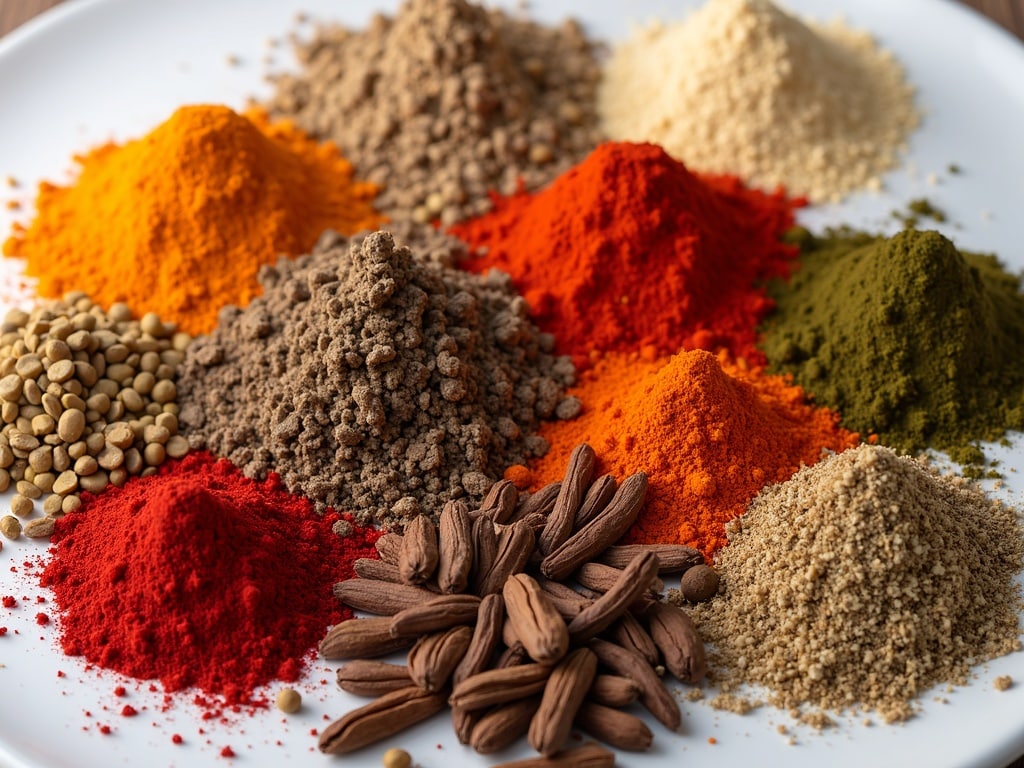
Nature has provided us with a potent arsenal of spices, each brimming with unique compounds that can help quell the flames of inflammation.
Turmeric: The Golden Standard
Turmeric, with its vibrant yellow hue, is arguably the most well-known anti-inflammatory spice. Its active compound, curcumin, is a powerful antioxidant and has been shown to inhibit several key molecules involved in inflammation. Studies suggest that curcumin can be as effective as some anti-inflammatory drugs, but without the same side effects. [externalLink insert]
- How to Use It: Add turmeric to curries, soups, stews, smoothies, or even sprinkle it on roasted vegetables. You can also take curcumin supplements, but be sure to choose a high-quality brand with piperine (black pepper extract) for enhanced absorption.
Ginger: A Zesty Anti-Inflammatory
Ginger, with its pungent and warming flavor, is another excellent spice for combating inflammation. It contains compounds like gingerol, which possess potent anti-inflammatory and antioxidant properties. Ginger has been shown to reduce pain and inflammation associated with osteoarthritis and muscle soreness.
- How to Use It: Grate fresh ginger into stir-fries, teas, and soups. You can also find ginger in capsules, powders, and candies.
Cinnamon: Sweet Relief
Cinnamon, with its sweet and comforting aroma, isn't just for desserts. This spice contains cinnamaldehyde and other compounds that have demonstrated anti-inflammatory effects. Cinnamon may also help regulate blood sugar levels, which can indirectly reduce inflammation.
- How to Use It: Sprinkle cinnamon on oatmeal, yogurt, or toast. Add it to baked goods, coffee, or tea.
Cayenne Pepper: A Fiery Fighter
Don't let the heat scare you away! Cayenne pepper, containing capsaicin, can be a powerful weapon against inflammation. Capsaicin works by depleting the levels of substance P, a neurotransmitter involved in pain signaling. While it might cause a temporary burning sensation, regular consumption can actually reduce pain and inflammation over time.
- How to Use It: Add a pinch of cayenne pepper to chili, soups, stews, or even sprinkle it on eggs. Start with a small amount and gradually increase to your liking.
Garlic: More Than Just Flavor
While technically a herb, garlic is often used as a spice and boasts impressive anti-inflammatory properties. It contains allicin and other sulfur compounds that can help reduce inflammation and boost the immune system.
- How to Use It: Add fresh garlic to sauces, soups, stir-fries, and roasted vegetables. You can also find garlic in powdered form or as a supplement.
Black Pepper: The Curcumin Booster
Black pepper, often overlooked, plays a crucial role in enhancing the anti-inflammatory effects of other spices, particularly turmeric. Piperine, the active compound in black pepper, significantly increases the absorption of curcumin, making turmeric more effective.
- How to Use It: Use black pepper in combination with turmeric to maximize its benefits. It pairs well with almost any savory dish.
Other Notable Mentions
While the spices listed above are some of the most potent anti-inflammatory options, several other spices offer valuable benefits:
Cloves: Rich in antioxidants and eugenol, which has anti-inflammatory properties.
Nutmeg: Contains myristicin, which may help reduce inflammation and pain.
Cardamom: Possesses antioxidant and anti-inflammatory compounds that may help protect against chronic diseases.
Saffron: Contains crocin, which has been shown to have anti-inflammatory and neuroprotective effects.
Incorporating Spices into Your Diet: Practical Tips
Adding these spices to your diet is easier than you might think. Here are a few practical tips to get you started:
Start Small: Begin by adding small amounts of these spices to your favorite dishes. Gradually increase the amount as you get used to the flavors.
Experiment with Combinations: Don't be afraid to experiment with different spice combinations to find what you enjoy. Turmeric and black pepper, ginger and garlic, and cinnamon and nutmeg are all classic pairings.
Cook at Home: Cooking at home gives you more control over the ingredients you use, allowing you to incorporate anti-inflammatory spices into your meals regularly.
Make Spice Blends: Create your own anti-inflammatory spice blends to have on hand for quick and easy seasoning.
Consider Supplements: If you're not a fan of the taste of certain spices, consider taking supplements. However, be sure to consult with your doctor before starting any new supplement regimen.
Read Labels: When buying pre-made spice blends, read the labels carefully to ensure they don't contain added sugars, salt, or artificial ingredients.
Beyond Spices: A Holistic Approach to Inflammation
While spices can be a valuable tool in managing inflammation, they're just one piece of the puzzle. A holistic approach that encompasses a healthy diet, regular exercise, stress management, and adequate sleep is essential for long-term inflammation control.
Dietary Considerations
Focus on a diet rich in fruits, vegetables, whole grains, and healthy fats. Limit your intake of processed foods, sugary drinks, and unhealthy fats, as these can contribute to inflammation.
The Power of Exercise
Regular physical activity can help reduce inflammation and improve overall health. Aim for at least 30 minutes of moderate-intensity exercise most days of the week.
Stress Management Techniques
Chronic stress can exacerbate inflammation. Practice stress-reducing techniques such as yoga, meditation, or spending time in nature.
Prioritize Sleep
Getting enough sleep is crucial for regulating inflammation. Aim for 7-8 hours of quality sleep each night.
A Word of Caution
While spices are generally safe for most people, it's essential to be aware of potential side effects and interactions. Some spices, such as cayenne pepper, can cause digestive upset in some individuals. Additionally, certain spices may interact with medications. If you have any underlying health conditions or are taking medications, consult with your doctor before making significant changes to your diet or starting a new supplement regimen.
The Spice of Life: Embracing Flavor and Wellness
Incorporating anti-inflammatory spices into your diet is a flavorful and empowering way to take control of your health. By understanding the power of these natural remedies and combining them with a healthy lifestyle, you can reduce inflammation, improve your overall well-being, and savor the deliciousness of a spice-filled life. So, venture into your spice cabinet, experiment with new flavors, and discover the incredible potential of nature's anti-inflammatory powerhouses. Your body will thank you for it.