How to Lubricate Joints Naturally: Move with Ease and Comfort
Imagine your joints as finely crafted hinges, designed for smooth, fluid movement. But what happens when those hinges start to creak, grind, or feel stiff? Joint lubrication is the unsung hero of pain-free movement. While many reach for over-the-counter remedies, nature offers a treasure trove of solutions to keep your joints gliding effortlessly.
Understanding Joint Lubrication
Joints aren't just bone meeting bone; they're complex structures protected by cartilage and cushioned by synovial fluid. This fluid acts as both a lubricant and a shock absorber, allowing your joints to move freely and without pain. Think of it like the oil in your car's engine – without it, things start to grind and wear down.
When the synovial fluid decreases or its quality diminishes, you may experience stiffness, pain, and reduced range of motion. This can happen due to aging, injury, inflammation, or underlying health conditions like osteoarthritis.
The Role of Synovial Fluid
Synovial fluid is more than just a lubricant; it also provides nutrients to the cartilage. Cartilage, being avascular (lacking blood vessels), relies on the synovial fluid to stay healthy and maintain its structure. When the fluid is compromised, the cartilage can deteriorate, leading to bone-on-bone friction and, eventually, pain.
Natural Strategies for Joint Lubrication
Fortunately, nature provides us with several ways to boost synovial fluid production and improve its quality. Here's a look at some effective strategies:
1. Embrace Omega-3 Fatty Acids
Omega-3 fatty acids are renowned for their anti-inflammatory properties. Inflammation is a major culprit in joint pain and stiffness, as it can interfere with synovial fluid production. By incorporating more omega-3s into your diet, you can help reduce inflammation and support healthy joint lubrication. Food sources include fatty fish like salmon, mackerel, and sardines, as well as flaxseeds, chia seeds, and walnuts.
If you're not a fan of fish, consider taking a high-quality omega-3 supplement. Look for one that contains both EPA and DHA, the two most beneficial types of omega-3s. Be sure to consult with your doctor before starting any new supplement regimen.
2. Hydrate, Hydrate, Hydrate!
Water is essential for overall health, and it plays a crucial role in joint lubrication. Synovial fluid is primarily composed of water, so staying adequately hydrated is vital for maintaining its volume and viscosity. When you're dehydrated, your body prioritizes fluid distribution to essential organs, potentially leaving your joints lacking.
Aim to drink at least eight glasses of water per day. You can also incorporate hydrating foods like fruits and vegetables with high water content, such as watermelon, cucumber, and spinach.
3. Turmeric: The Golden Spice for Joint Health
Turmeric, a vibrant yellow spice commonly used in Indian cuisine, contains curcumin, a powerful antioxidant and anti-inflammatory compound. Curcumin has been shown to reduce joint pain and stiffness by inhibiting inflammatory pathways in the body. It may also help protect cartilage from damage.
You can incorporate turmeric into your diet by adding it to curries, soups, and smoothies. You can also take curcumin supplements, but be sure to choose one that contains piperine (black pepper extract), which enhances curcumin absorption.
4. Glucosamine and Chondroitin: Cartilage's Best Friends
Glucosamine and chondroitin are naturally occurring compounds found in cartilage. They're often taken together as supplements to support joint health and reduce pain. Glucosamine helps build and repair cartilage, while chondroitin helps retain water in cartilage, keeping it hydrated and resilient.
While research on the effectiveness of glucosamine and chondroitin is mixed, many people find them helpful for managing joint pain and improving mobility. It's important to note that it may take several weeks or months to see results.
5. Hyaluronic Acid: The Ultimate Hydrator
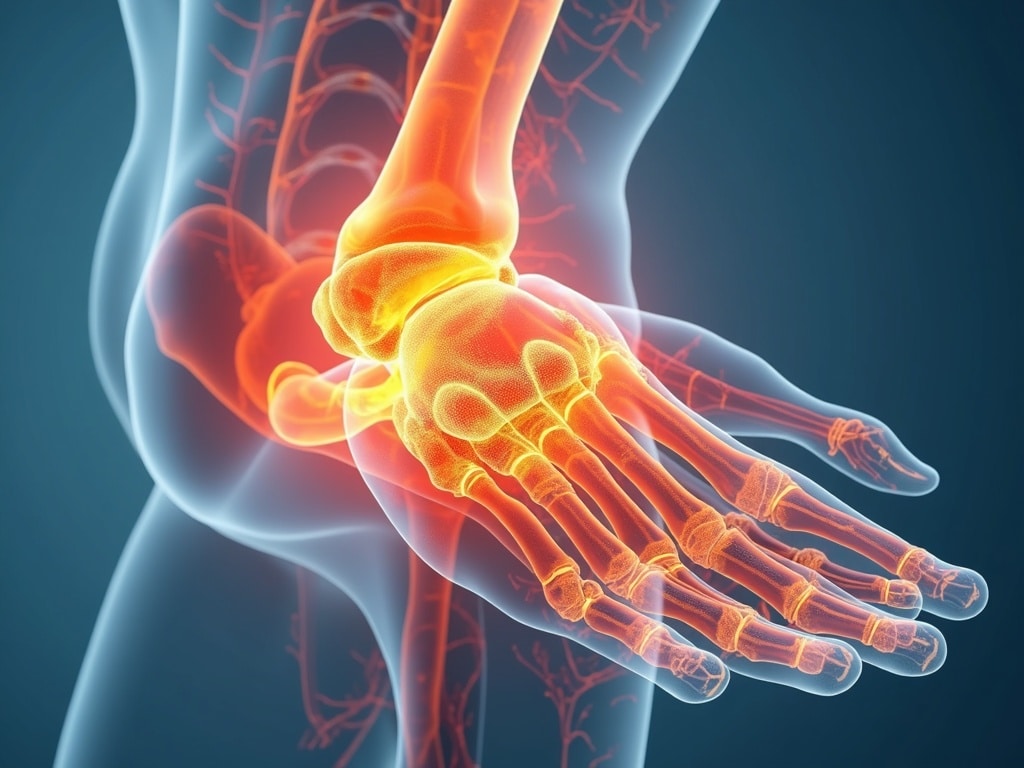
Hyaluronic acid (HA) is a naturally occurring substance found in synovial fluid and other tissues throughout the body. It acts as a powerful humectant, attracting and retaining water. In joints, HA helps keep the synovial fluid viscous and provides cushioning.
HA supplements are available in oral and injectable forms. Oral HA supplements may help improve joint hydration and reduce pain, while injectable HA is often used to treat osteoarthritis by directly replenishing the synovial fluid in the affected joint. Consult with your doctor to determine if HA injections are right for you, you can also find additional information about joint pain and treatment options at [externalLink insert].
6. Collagen: The Building Block of Joints
Collagen is the main structural protein in cartilage, tendons, and ligaments. As we age, collagen production declines, which can contribute to joint deterioration. Supplementing with collagen may help support cartilage health and reduce joint pain.
Collagen supplements are available in various forms, including powders, capsules, and liquids. Look for hydrolyzed collagen, which is broken down into smaller peptides for easier absorption. You can also boost collagen production by consuming foods rich in vitamin C, proline, and glycine, such as citrus fruits, bone broth, and eggs.
7. Gentle Exercise and Movement
While it may seem counterintuitive, regular exercise is crucial for joint lubrication. Movement helps stimulate synovial fluid production and circulation, nourishing the cartilage and keeping the joints healthy. Low-impact exercises like walking, swimming, cycling, and yoga are particularly beneficial.
Avoid activities that put excessive stress on your joints, such as running on hard surfaces or lifting heavy weights. It's also important to listen to your body and stop if you experience pain. A physical therapist can help you develop a safe and effective exercise program tailored to your specific needs.
8. Anti-Inflammatory Diet
An anti-inflammatory diet can significantly impact joint health by reducing inflammation throughout the body. Focus on incorporating whole, unprocessed foods into your diet, such as fruits, vegetables, whole grains, and lean protein. Limit your intake of processed foods, sugary drinks, and unhealthy fats, which can contribute to inflammation.
Specific foods with anti-inflammatory properties include berries, leafy greens, olive oil, nuts, and seeds. Experiment with different recipes and meal plans to find what works best for you.
Lifestyle Adjustments for Optimal Joint Health
Beyond diet and supplements, several lifestyle adjustments can help lubricate joints naturally:
- Maintain a healthy weight: Excess weight puts extra stress on your joints, accelerating cartilage breakdown.
- Practice good posture: Proper posture helps distribute weight evenly across your joints, reducing strain.
- Use proper lifting techniques: When lifting heavy objects, bend your knees and keep your back straight to avoid injuring your joints.
- Get enough sleep: Sleep is essential for tissue repair and recovery, including cartilage.
- Manage stress: Chronic stress can contribute to inflammation and worsen joint pain. Practice relaxation techniques like meditation or yoga to manage stress.
When to Seek Professional Help
While natural strategies can be effective for lubricating joints and managing pain, it's important to seek professional help if you experience severe or persistent joint pain, swelling, or stiffness. A doctor can diagnose the underlying cause of your joint problems and recommend appropriate treatment options, which may include medication, physical therapy, or surgery.
Conclusion: A Holistic Approach to Joint Health
Lubricating your joints naturally is a multifaceted approach that involves diet, lifestyle, and targeted supplements. By embracing these strategies, you can support healthy synovial fluid production, reduce inflammation, and improve joint mobility. Remember, consistency is key. Incorporate these practices into your daily routine and listen to your body's signals. With a holistic approach, you can keep your joints gliding smoothly and enjoy an active, pain-free life. Don't let stiff joints hold you back; take control of your joint health and rediscover the joy of movement!