
Healing the Gut to Reduce Systemic Inflammation: A Comprehensive Guide
Imagine your body as a battlefield. On one side, your immune system, diligently defending against invaders. On the other, inflammation, the body's natural response to injury or infection. But what happens when the battlefield becomes a permanent state, when inflammation rages unchecked throughout your system? This is systemic inflammation, and often, the root of the problem lies within your gut.
Understanding Systemic Inflammation and Its Impact
Systemic inflammation isn't just about a bit of swelling or redness. It's a chronic, body-wide condition linked to a host of serious health problems, from autoimmune diseases like rheumatoid arthritis and lupus to cardiovascular disease, type 2 diabetes, and even certain cancers. Symptoms can range from fatigue and brain fog to joint pain, skin problems, and digestive issues. But why does this happen? And what role does the gut play?
The Gut-Inflammation Connection: A Leaky Gut's Tale
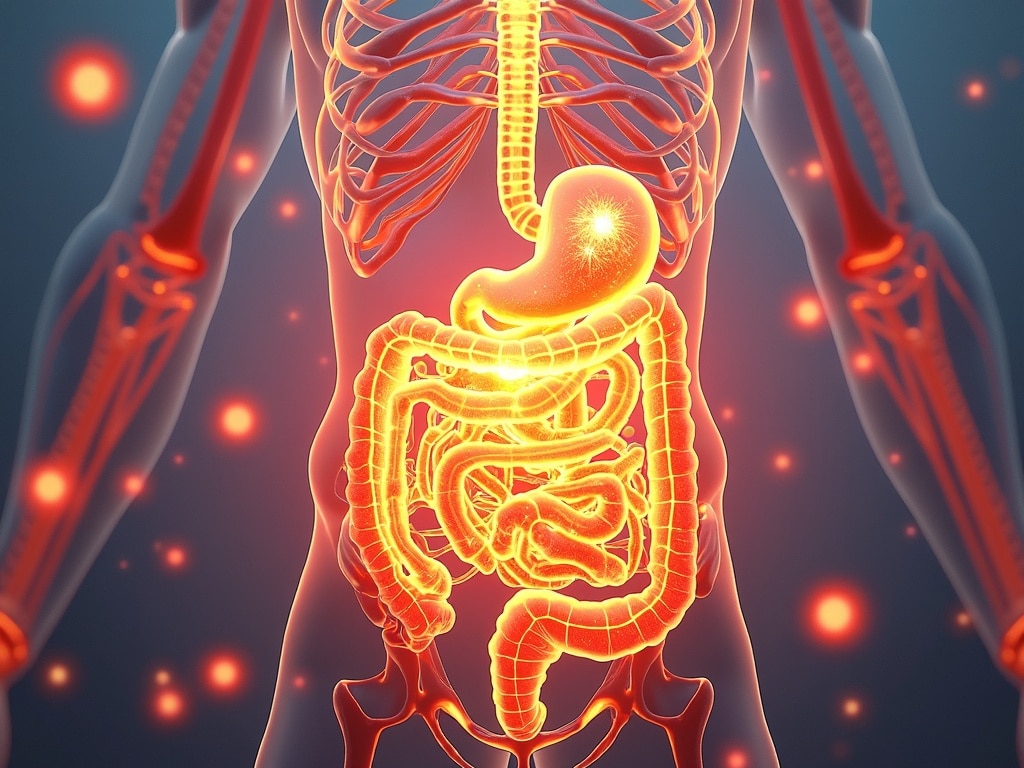
The gut, or gastrointestinal tract, isn't just a food processor. It's a complex ecosystem teeming with trillions of bacteria, both good and bad, collectively known as the gut microbiome. This intricate community plays a crucial role in digestion, nutrient absorption, and, most importantly, immune function.
The gut lining, a single layer of cells, acts as a barrier, selectively allowing nutrients to pass into the bloodstream while keeping harmful substances like bacteria, toxins, and undigested food particles safely contained within the digestive tract. However, when this barrier becomes compromised, a condition known as leaky gut or increased intestinal permeability, things start to go wrong.
In leaky gut, the tight junctions between the cells of the gut lining loosen, creating gaps that allow those harmful substances to escape into the bloodstream. The immune system, recognizing these intruders as foreign invaders, launches an attack, triggering a cascade of inflammatory responses throughout the body. This constant state of alert contributes to systemic inflammation.
Factors Contributing to Leaky Gut and Inflammation
Several factors can contribute to leaky gut and, consequently, systemic inflammation:
**Diet:A diet high in processed foods, sugar, refined carbohydrates, and unhealthy fats can disrupt the balance of the gut microbiome and damage the gut lining.
**Stress:Chronic stress can negatively impact gut health, increasing intestinal permeability and promoting inflammation.
**Infections:Gut infections, such as those caused by bacteria, parasites, or yeast, can damage the gut lining and trigger inflammation.
**Medications:Certain medications, like antibiotics and nonsteroidal anti-inflammatory drugs (NSAIDs), can disrupt the gut microbiome and increase intestinal permeability.
**Environmental toxins:Exposure to environmental toxins, such as pesticides and heavy metals, can also damage the gut lining and contribute to inflammation.
Strategies for Healing the Gut and Reducing Systemic Inflammation
Fortunately, you can take proactive steps to heal your gut and reduce systemic inflammation. This involves addressing the underlying causes of leaky gut and supporting the body's natural healing processes.
1. The Anti-Inflammatory Diet: Food as Medicine
What you eat is paramount to gut health. An anti-inflammatory diet focuses on nutrient-dense, whole foods that nourish the gut microbiome and support the integrity of the gut lining.
**Focus on:**
**Fruits and vegetables:Rich in antioxidants and fiber, these foods help reduce inflammation and promote a healthy gut microbiome. Berries, leafy greens, cruciferous vegetables (broccoli, cauliflower, kale), and brightly colored peppers are excellent choices.
**Healthy fats:Omega-3 fatty acids, found in fatty fish, flaxseeds, chia seeds, and walnuts, have potent anti-inflammatory properties.
**Lean protein:Choose lean sources of protein like poultry, fish, beans, and lentils to support tissue repair and immune function.
**Fiber-rich foods:Fiber feeds the beneficial bacteria in your gut, promoting a healthy and diverse microbiome. Good sources include whole grains (oats, quinoa, brown rice), legumes, fruits, and vegetables.
**Fermented foods:These foods, like yogurt, kefir, sauerkraut, kimchi, and kombucha, contain probiotics, beneficial bacteria that can help restore balance to the gut microbiome.
**Limit or avoid:**
**Processed foods:These foods are often high in sugar, unhealthy fats, and artificial additives, which can disrupt the gut microbiome and promote inflammation.
**Sugar:Excessive sugar consumption feeds harmful bacteria in the gut and contributes to inflammation.
**Refined carbohydrates:White bread, pasta, and pastries are quickly broken down into sugar, leading to inflammation and gut dysbiosis.
**Unhealthy fats:Saturated and trans fats, found in processed foods and fried foods, can promote inflammation.
**Alcohol:Excessive alcohol consumption can damage the gut lining and contribute to inflammation.
2. Targeted Supplementation: Supporting Gut Health
While a healthy diet is the foundation, certain supplements can provide additional support for healing the gut and reducing inflammation.
**Probiotics:These supplements contain live microorganisms that can help restore balance to the gut microbiome. Choose a broad-spectrum probiotic with multiple strains of beneficial bacteria.
**L-Glutamine:This amino acid is a primary fuel source for the cells lining the gut and can help repair the gut lining.
**Collagen:This protein helps strengthen the gut lining and reduce intestinal permeability.
**Digestive enzymes:These enzymes help break down food, making it easier to digest and absorb nutrients, reducing the burden on the gut.
**Omega-3 fatty acids:If you don't consume enough fatty fish, consider taking an omega-3 supplement to help reduce inflammation.
3. Stress Management: Calming the Gut-Brain Axis
The gut and brain are intimately connected via the vagus nerve, a major component of the gut-brain axis. Stress can disrupt this communication, leading to gut dysfunction and inflammation. Implementing stress management techniques is crucial for healing the gut.
**Mindfulness:Practices like meditation and deep breathing can help reduce stress and improve gut health.
**Yoga:This combines physical postures, breathing techniques, and meditation to promote relaxation and reduce stress.
**Spending time in nature:Studies have shown that spending time in nature can lower stress hormones and improve overall well-being.
**Adequate sleep:Aim for 7-9 hours of quality sleep each night to allow your body to repair and rejuvenate.
**Regular exercise:Physical activity can help reduce stress and improve gut health.
4. Addressing Underlying Infections and Imbalances
If you suspect you have a gut infection or imbalance, it's important to work with a healthcare professional to identify and address the underlying cause. This may involve stool testing to identify specific pathogens or imbalances and targeted treatments to eliminate them.
5. Identifying and Eliminating Food Sensitivities
Food sensitivities can trigger inflammation in the gut and throughout the body. Common culprits include gluten, dairy, soy, corn, and eggs. Consider working with a healthcare professional to identify any food sensitivities you may have and eliminate those foods from your diet. An elimination diet, followed by careful reintroduction of foods, can be a helpful tool.
Long-Term Strategies for Gut Health and Inflammation Control
Healing the gut and reducing systemic inflammation is not a quick fix but rather a journey that requires sustained effort and lifestyle changes. Here are some long-term strategies to maintain gut health and keep inflammation at bay:
**Maintain a healthy diet:Continue to prioritize whole, nutrient-dense foods and limit processed foods, sugar, and unhealthy fats.
**Manage stress:Incorporate stress management techniques into your daily routine.
**Prioritize sleep:Aim for 7-9 hours of quality sleep each night.
**Stay hydrated:Drink plenty of water to support digestion and overall health.
**Get regular exercise:Aim for at least 30 minutes of moderate-intensity exercise most days of the week.
**Consider regular probiotic supplementation:Continue taking a probiotic supplement to support a healthy gut microbiome.
**Listen to your body:Pay attention to how different foods and lifestyle factors affect your gut health and adjust your approach accordingly.
**Work with a healthcare professional:Partner with a healthcare professional who specializes in gut health for ongoing support and guidance.
Conclusion: A Healthier Gut, A Healthier You
Healing the gut to reduce systemic inflammation is a powerful strategy for improving overall health and well-being. By addressing the underlying causes of leaky gut, nourishing the gut microbiome, and implementing healthy lifestyle habits, you can create a foundation for a healthier, more vibrant life. It’s a journey worth undertaking, one that empowers you to take control of your health from the inside out. The battlefield within can find peace, and your body can thrive.