
Can You Reverse Cognitive Decline Naturally? Unlocking Your Brain's Potential
Imagine your mind as a garden. When it's flourishing, ideas bloom, memories blossom, and your thoughts flow freely. But what happens when the garden starts to wither? Cognitive decline, characterized by memory lapses, difficulty concentrating, and impaired decision-making, can feel like a creeping frost, threatening to steal the vibrancy of your mental landscape. But is this fate inevitable? Can you actually reverse cognitive decline naturally, nurturing your mind back to health and vitality? The answer, encouragingly, is yes – often, to a significant degree. Let's explore how.
Understanding Cognitive Decline: More Than Just Senior Moments
Cognitive decline isn't a single disease but rather a spectrum of changes in mental abilities. It's important to distinguish between normal age-related forgetfulness (like misplacing your keys) and more serious cognitive impairment. While occasional “senior moments” are perfectly normal, persistent and worsening issues interfering with daily life could signal something more.
What Causes Cognitive Decline?
Several factors can contribute to a decline in cognitive function:
**Age:As we age, natural changes occur in the brain, including a decrease in brain volume and reduced blood flow.
**Genetics:Family history can play a role in the risk of developing conditions like Alzheimer's disease.
**Lifestyle:Poor diet, lack of exercise, smoking, excessive alcohol consumption, and chronic stress can all negatively impact brain health.
**Medical Conditions:Conditions like high blood pressure, diabetes, heart disease, and depression can increase the risk of cognitive decline.
**Nutrient Deficiencies:Deficiencies in vitamins like B12, D, and folate can impair cognitive function.
Recognizing these potential causes is the first step in taking proactive measures to protect and even reverse cognitive decline.
The Power of Neuroplasticity: Your Brain's Remarkable Ability to Adapt
For years, it was believed that the brain's capacity for change diminished with age. However, groundbreaking research has revealed the incredible power of neuroplasticity – the brain's ability to reorganize itself by forming new neural connections throughout life. This means that even if cognitive decline has already begun, you can stimulate your brain to create new pathways and compensate for damaged ones.
Think of it like learning a new language. Initially, it seems daunting, but with consistent effort, new neural connections are formed, making the language more accessible and fluent. The same principle applies to reversing cognitive decline – challenging your brain and adopting healthy habits can strengthen existing connections and forge new ones.
Natural Strategies to Reverse Cognitive Decline
The beauty of natural approaches lies in their holistic nature, addressing multiple factors that contribute to brain health. Here’s a breakdown of evidence-based strategies:
1. Optimize Your Diet: Fueling Your Brain for Success
What you eat has a profound impact on your brain health. A brain-healthy diet emphasizes whole, unprocessed foods that provide essential nutrients and antioxidants.
**The Mediterranean Diet:Rich in fruits, vegetables, whole grains, olive oil, nuts, and fish, the Mediterranean diet has been consistently linked to improved cognitive function and a reduced risk of Alzheimer's disease.
**Omega-3 Fatty Acids:Found in fatty fish like salmon, tuna, and mackerel, as well as flaxseeds and walnuts, omega-3s are crucial for brain cell structure and function.
**Antioxidant-Rich Foods:Berries, leafy greens, and colorful vegetables are packed with antioxidants that protect brain cells from damage caused by free radicals.
**Limit Processed Foods, Sugar, and Saturated Fats:These can contribute to inflammation and oxidative stress, both of which are detrimental to brain health.
2. Embrace Regular Physical Activity: Moving Your Body, Sharpening Your Mind
Exercise isn't just good for your body; it's also essential for your brain. Physical activity increases blood flow to the brain, delivering vital oxygen and nutrients. It also stimulates the release of growth factors that promote neuroplasticity.
**Aerobic Exercise:Activities like walking, running, swimming, and cycling can improve cognitive function, particularly memory and executive function.
**Strength Training:Building muscle mass can also benefit brain health by improving insulin sensitivity and reducing inflammation.
**Aim for at least 30 minutes of moderate-intensity exercise most days of the week.**
3. Prioritize Quality Sleep: Giving Your Brain Time to Recharge
Sleep is crucial for consolidating memories, clearing out toxins, and allowing the brain to repair itself. Chronic sleep deprivation can impair cognitive function and increase the risk of cognitive decline.
**Establish a Regular Sleep Schedule:Go to bed and wake up around the same time each day, even on weekends.
**Create a Relaxing Bedtime Routine:Take a warm bath, read a book, or listen to calming music.
**Optimize Your Sleep Environment:Make sure your bedroom is dark, quiet, and cool.
**Aim for 7-9 hours of sleep per night.**
4. Engage in Mentally Stimulating Activities: Exercising Your Brainpower
Just like your body, your brain needs regular exercise to stay sharp. Engaging in mentally stimulating activities challenges your brain, promoting neuroplasticity and cognitive reserve.
**Learn a New Skill:Take up a new language, learn to play a musical instrument, or try a new hobby.
**Do Puzzles and Brain Games:Crossword puzzles, Sudoku, and brain-training apps can help improve cognitive function.
**Read Regularly:Reading stimulates your imagination, expands your vocabulary, and keeps your mind engaged.
**Socialize: Interacting with others provides mental stimulation and can boost mood, both of which are beneficial for brain health.
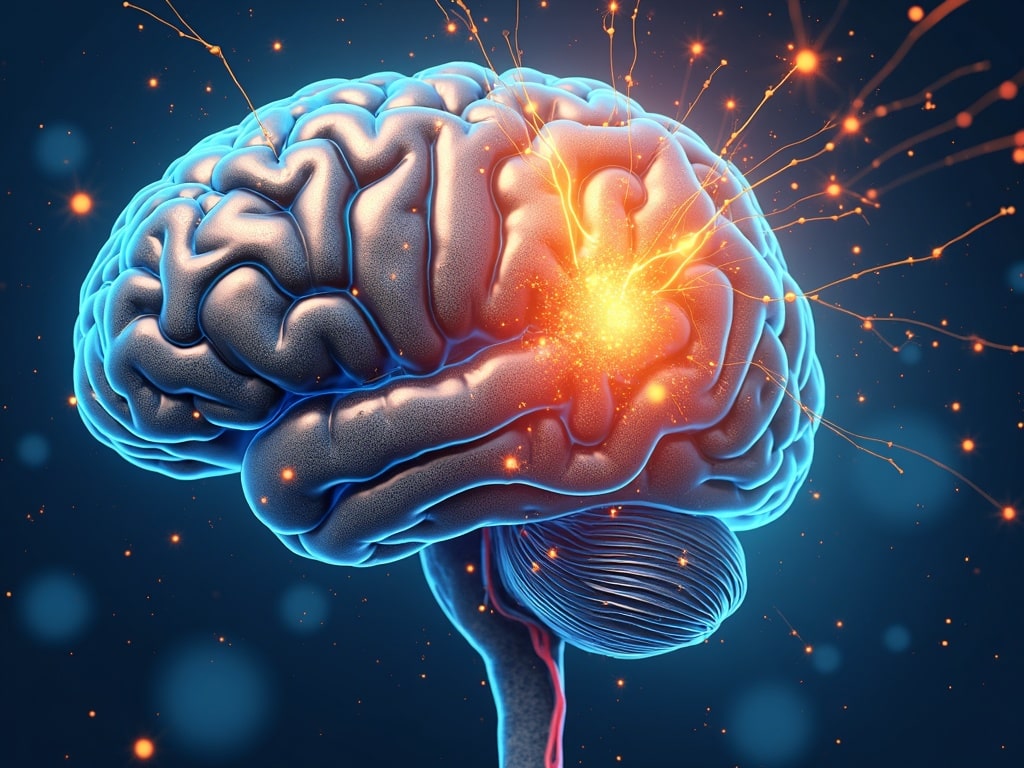
5. Manage Stress: Protecting Your Brain from the Detrimental Effects of Stress Hormones
Chronic stress can wreak havoc on the brain, impairing cognitive function and increasing the risk of cognitive decline. When you are stressed, your body releases hormones like cortisol, which can damage brain cells and interfere with memory.
**Practice Relaxation Techniques:Meditation, yoga, and deep breathing exercises can help reduce stress and promote relaxation.
**Spend Time in Nature:Studies have shown that spending time in nature can lower cortisol levels and improve cognitive function.
**Connect with Loved Ones:Social support can buffer the effects of stress and improve overall well-being.
**Seek Professional Help:If you're struggling to manage stress on your own, consider seeking help from a therapist or counselor.
6. Consider Supplements and Herbal Remedies: Boosting Brainpower with Natural Compounds
While a healthy diet should be the foundation of your brain health strategy, certain supplements and herbal remedies may offer additional cognitive benefits. Always consult with your doctor before starting any new supplement regimen.
**Ginkgo Biloba:Has been shown to improve blood flow to the brain and may enhance memory and cognitive function.
**Bacopa Monnieri:An ancient Ayurvedic herb that has been used for centuries to improve memory and cognitive function.
**Curcumin:The active compound in turmeric, curcumin has antioxidant and anti-inflammatory properties that may protect the brain from damage.
**Lion's Mane Mushroom:Contains compounds that stimulate nerve growth factor (NGF), which is important for brain cell growth and repair.
**Consider consulting with a healthcare professional to determine if supplementation is right for you.**
7. Address Underlying Health Conditions: Optimizing Overall Well-being for Brain Health
Underlying health conditions like high blood pressure, diabetes, and heart disease can significantly increase the risk of cognitive decline. Managing these conditions through lifestyle changes and medical treatment is crucial for protecting brain health.
**Monitor Your Blood Pressure, Blood Sugar, and Cholesterol Levels Regularly.**
**Work with Your Doctor to Develop a Treatment Plan for Any Underlying Health Conditions.**
**Adopt a Heart-Healthy Lifestyle[externalLink insert] **that includes a balanced diet, regular exercise, and stress management.**
Reversing Cognitive Decline: A Journey of Hope and Empowerment
Reversing cognitive decline naturally is not a quick fix but rather a journey of lifestyle changes and proactive self-care. It requires commitment, consistency, and a belief in your brain's remarkable capacity to heal and adapt. While the path may not always be easy, the rewards – a sharper mind, a more vibrant life, and a renewed sense of control – are well worth the effort. By embracing these natural strategies, you can unlock your brain's potential and cultivate a thriving mental landscape for years to come. The power to nurture your mind is within your reach.