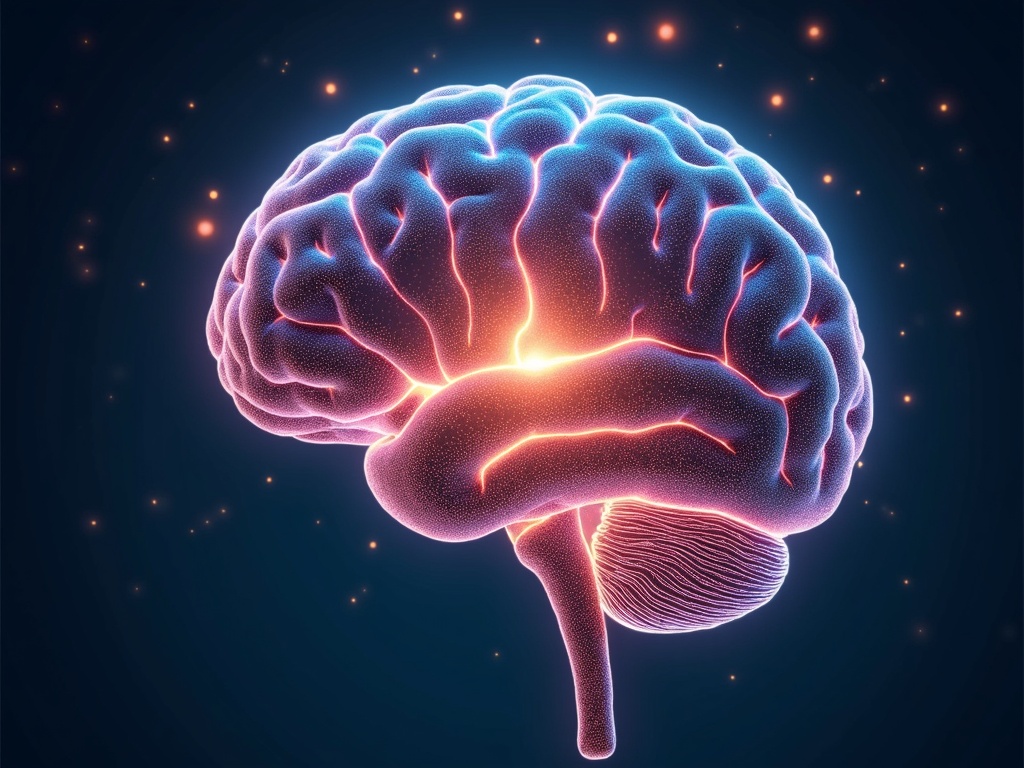
Unlock Your Cognitive Potential: The Power of Magnesium for Brain Health in Men
Imagine your brain as a finely tuned engine, constantly firing on all cylinders. But what happens when the spark plugs start to misfire? For men, maintaining peak cognitive function is crucial for everything from career performance to personal well-being. While countless factors contribute to brain health, one often-overlooked mineral plays a pivotal role: magnesium. This isn't just another supplement fad; it's a fundamental nutrient with significant implications for how your brain functions, especially as you age.
Why Magnesium Matters for the Male Brain
Magnesium is an essential mineral involved in hundreds of biochemical reactions in the body. But its influence on the brain is particularly profound. It acts as a key regulator of nerve transmission, synaptic plasticity (the brain's ability to adapt and learn), and neurotransmitter function. Think of it as the conductor of an orchestra, ensuring all the different instruments (brain cells) play in harmony.
- Nerve transmission: Magnesium helps regulate the flow of electrical signals between neurons, enabling rapid and efficient communication throughout the brain.
- Synaptic plasticity: This is the foundation of learning and memory. Magnesium supports the strengthening of connections between neurons, making it easier to form new memories and retain information.
- Neurotransmitter function: Magnesium is crucial for the proper function of neurotransmitters like serotonin, dopamine, and GABA, which influence mood, sleep, and cognitive function.
In men, maintaining sufficient magnesium levels is particularly important due to factors like testosterone regulation and stress management, both of which can impact brain health. Chronic stress, a common issue for many men, can deplete magnesium stores, further compromising cognitive function.
The Alarming Signs of Magnesium Deficiency
Many men are unaware they're deficient in magnesium. The symptoms can be subtle at first, often dismissed as simply feeling off. But over time, these seemingly minor issues can escalate and significantly affect cognitive performance. Keep an eye out for these warning signs:
- Brain fog: Difficulty concentrating, remembering things, and feeling mentally hazy.
- Memory problems: Trouble recalling recent events or learning new information.
- Anxiety and irritability: Increased feelings of nervousness, restlessness, and short-temperedness.
- Sleep disturbances: Insomnia, restless sleep, or difficulty falling asleep.
- Muscle cramps and twitches: These can also be a sign of low magnesium levels.
If you experience several of these symptoms, it's worth considering a magnesium deficiency as a potential culprit. Consult with your doctor for appropriate testing and guidance.
Magnesium's Role in Preventing Cognitive Decline
As men age, the risk of cognitive decline increases. Conditions like Alzheimer's disease and dementia become more prevalent, impacting memory, thinking, and overall quality of life. Research suggests that adequate magnesium intake may play a protective role against these age-related cognitive changes.
- Neuroprotection: Magnesium helps protect brain cells from damage caused by oxidative stress and inflammation, two major contributors to cognitive decline.
- Amyloid plaque reduction: Some studies suggest magnesium may help reduce the formation of amyloid plaques, abnormal protein deposits that are characteristic of Alzheimer's disease.
- Improved cerebral blood flow: Magnesium can help improve blood flow to the brain, ensuring that brain cells receive the oxygen and nutrients they need to function optimally.
While magnesium isn't a cure-all for cognitive decline, it can be a valuable tool in promoting long-term brain health and resilience.
The Best Forms of Magnesium for Brain Health
Not all magnesium supplements are created equal. Some forms are more easily absorbed and utilized by the body than others. When it comes to brain health, certain types of magnesium stand out for their bioavailability and ability to cross the blood-brain barrier.
- Magnesium L-Threonate: This form has shown particular promise in research for its ability to enhance cognitive function and improve memory. It readily crosses the blood-brain barrier, delivering magnesium directly to brain cells.
- Magnesium Glycinate: This is another well-absorbed form of magnesium known for its calming effects. It can help reduce anxiety and improve sleep quality, both of which are beneficial for brain health.
- Magnesium Taurate: This form combines magnesium with taurine, an amino acid that also has neuroprotective properties. It's a good option for supporting overall brain function and cardiovascular health.
Avoid magnesium oxide, as it's poorly absorbed and primarily used as a laxative. Always consult with a healthcare professional before starting any new supplement regimen.
How to Increase Your Magnesium Intake Through Diet
While supplements can be helpful, the best way to ensure you're getting enough magnesium is through a balanced diet rich in magnesium-rich foods. Here are some excellent sources to incorporate into your meals:
- Leafy green vegetables: Spinach, kale, and collard greens are packed with magnesium.
- Nuts and seeds: Almonds, cashews, pumpkin seeds, and sunflower seeds are all good sources.
- Legumes: Black beans, kidney beans, and lentils are rich in magnesium and other essential nutrients.
- Whole grains: Brown rice, quinoa, and whole-wheat bread provide a good source of magnesium.
- Dark chocolate: Indulge in a square or two of dark chocolate (70% cacao or higher) for a delicious magnesium boost.
Aim to include a variety of these foods in your daily diet to ensure you're getting a steady supply of magnesium.
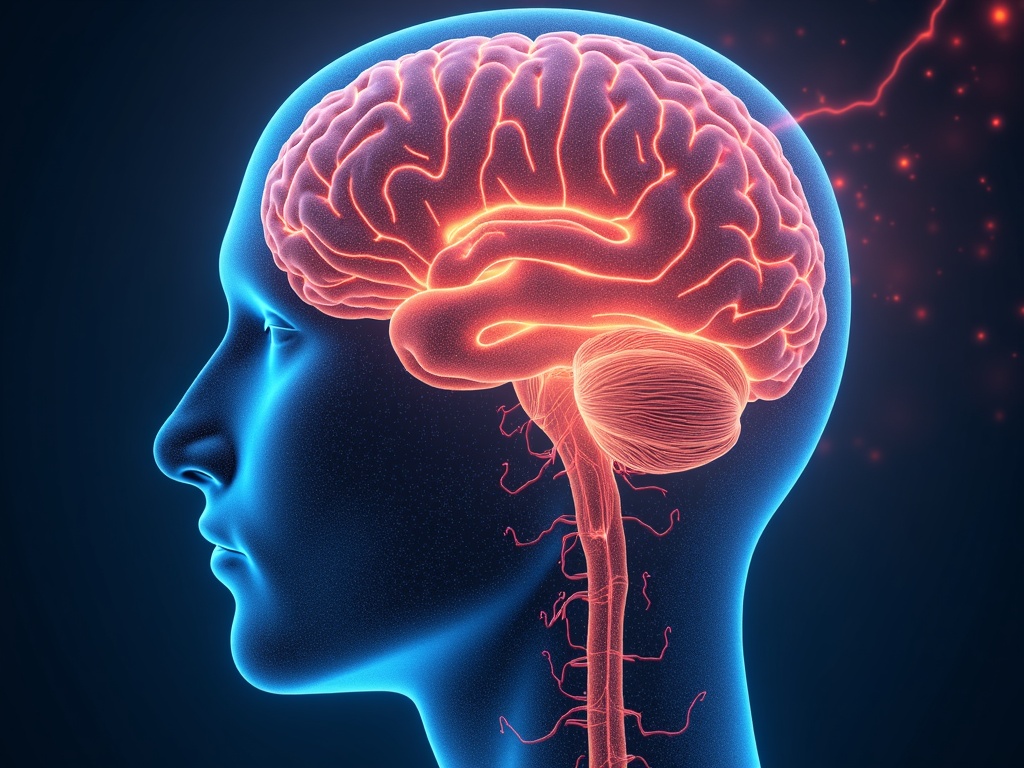
Lifestyle Factors That Impact Magnesium Levels
Beyond diet and supplementation, certain lifestyle factors can significantly impact your magnesium levels and, consequently, your brain health. Being aware of these factors can help you make informed choices to support your overall well-being.
- Stress: Chronic stress depletes magnesium stores in the body. Practice stress-management techniques like meditation, yoga, or spending time in nature.
- Alcohol consumption: Excessive alcohol intake can interfere with magnesium absorption and increase its excretion.
- Caffeine intake: High caffeine consumption can also deplete magnesium levels. Moderate your caffeine intake and ensure you're getting enough magnesium through diet or supplementation.
- Certain medications: Some medications, such as diuretics and proton pump inhibitors, can interfere with magnesium absorption. Talk to your doctor if you're concerned about medication-related magnesium depletion.
By addressing these lifestyle factors, you can optimize your magnesium levels and support your brain health from multiple angles.
Debunking Common Magnesium Myths
There are several misconceptions surrounding magnesium and its benefits. Let's debunk a few common myths:
- Myth: Everyone gets enough magnesium from their diet. Fact: Many people don't consume enough magnesium-rich foods to meet their daily requirements. Soil depletion and processed foods contribute to lower magnesium content in our diets.
- Myth: Taking any magnesium supplement will provide the same benefits. Fact: As discussed earlier, different forms of magnesium have varying bioavailability and target different areas of the body.
- Myth: Magnesium is only important for muscle function. Fact: While magnesium is crucial for muscle health, it plays a vital role in numerous other bodily functions, including brain health, energy production, and blood sugar control.
Staying informed and separating fact from fiction is essential for making informed decisions about your health.
The Future of Magnesium Research and Brain Health
The scientific community is increasingly recognizing the importance of magnesium for brain health. Ongoing research is exploring magnesium's potential role in preventing and treating various neurological disorders, including Alzheimer's disease, Parkinson's disease, and depression. [externalLink insert]
As our understanding of magnesium's complex interactions with the brain deepens, we can expect to see even more targeted and effective strategies for optimizing cognitive function and preventing age-related cognitive decline in men.
Take Charge of Your Cognitive Well-being
Magnesium is a powerful ally in the quest for optimal brain health in men. By understanding its importance, recognizing the signs of deficiency, and making informed choices about diet, supplementation, and lifestyle, you can unlock your cognitive potential and safeguard your brain health for years to come. Don't let this essential mineral be an afterthought; make it a cornerstone of your proactive approach to well-being. Your brain will thank you for it.