
How to Stop Joints From Cracking: Understanding the Causes and Finding Relief
Ever stretched your back and heard a symphony of pops and cracks? Or maybe your knees serenade you with snaps every time you stand up? Joint cracking, also known as crepitus, is a common phenomenon, but when does it go from a harmless quirk to a cause for concern? This comprehensive guide delves into the world of joint cracking, exploring the underlying causes, debunking myths, and providing actionable steps to minimize those disconcerting sounds and promote long-term joint health.
Understanding the Sounds: What Causes Joint Cracking?
Before diving into solutions, let's understand what's actually happening when your joints crack. Several factors can contribute to these noises:
**Nitrogen Bubbles:Synovial fluid, which lubricates your joints, contains gases like nitrogen. When the joint capsule stretches, these gases can form bubbles. The popping sound occurs when these bubbles burst. This is often harmless and similar to cracking your knuckles.
**Tendon or Ligament Movement:As tendons (which connect muscle to bone) or ligaments (which connect bone to bone) move over bony surfaces, they can sometimes snap, creating a cracking sound. This is more common in joints with complex movements, like the knee or shoulder.
**Rough Cartilage Surfaces:Healthy cartilage provides a smooth surface for joint movement. However, if the cartilage becomes damaged or roughened due to injury or osteoarthritis, the bones may rub together, causing a grinding or cracking sound.
**Joint Hypermobility:Individuals with hypermobile joints (sometimes referred to as being double-jointed) may experience more frequent joint cracking due to the increased range of motion and potential for tendons and ligaments to move over bony prominences.
When is Joint Cracking a Cause for Concern?
In most cases, occasional joint cracking is perfectly normal and nothing to worry about. However, if the cracking is accompanied by any of the following symptoms, it's essential to consult a healthcare professional:
**Pain:If the cracking is associated with pain, it could indicate an underlying injury or condition, such as arthritis, tendonitis, or a cartilage tear.
**Swelling:Swelling around the joint suggests inflammation, which could also be a sign of an injury or underlying condition.
**Redness:Similar to swelling, redness indicates inflammation.
**Limited Range of Motion:If you're unable to move your joint through its full range of motion, it could be a sign of a more serious problem.
**Locking or Giving Way:If your joint locks or gives way, it could indicate a problem with the cartilage or ligaments.
Strategies to Minimize Joint Cracking and Promote Joint Health
While you can't completely eliminate joint cracking, several strategies can help minimize the frequency and severity of the noises and promote overall joint health:
**Stay Hydrated:Synovial fluid, which lubricates your joints, is primarily composed of water. Dehydration can reduce the amount of synovial fluid, making joints more prone to cracking. Aim to drink plenty of water throughout the day. A good general guideline is to drink half your body weight in ounces of water daily (e.g., if you weigh 150 pounds, aim for 75 ounces of water).
**Maintain a Healthy Weight:Excess weight puts extra stress on your joints, particularly your knees, hips, and ankles. Losing weight can significantly reduce the load on your joints and minimize cracking. [externalLink insert]
**Regular Exercise:Regular exercise strengthens the muscles surrounding your joints, providing support and stability. Focus on low-impact activities like swimming, cycling, or walking.
**Strengthening Exercises:Targeted strengthening exercises can further improve joint stability and reduce the likelihood of cracking. For example, squats and lunges can strengthen the muscles around the knees, while rotator cuff exercises can stabilize the shoulder joint. Consult with a physical therapist or certified trainer for guidance on appropriate exercises.
**Stretching and Flexibility:Stretching helps improve joint range of motion and flexibility, reducing the stiffness that can contribute to cracking. Incorporate regular stretching into your routine, focusing on major muscle groups around your joints.
**Proper Posture:Maintaining good posture can help distribute weight evenly across your joints, reducing stress and minimizing cracking. Be mindful of your posture while sitting, standing, and walking.
**Warm-Up Before Exercise:Warming up your muscles before exercise increases blood flow and prepares your joints for activity, reducing the risk of injury and cracking.
**Avoid Overuse:Overusing your joints can lead to inflammation and cracking. Avoid repetitive motions and take breaks when needed.
**Listen to Your Body:Pay attention to your body's signals and avoid activities that cause pain or discomfort in your joints.
**Consider Joint-Supporting Supplements:Some supplements may help support joint health and reduce cracking. These may include:
**Glucosamine and Chondroitin:These are building blocks of cartilage and may help reduce pain and inflammation in some individuals.
**Omega-3 Fatty Acids:Found in fish oil, omega-3 fatty acids have anti-inflammatory properties that may benefit joint health.
**Turmeric/Curcumin:This spice has potent anti-inflammatory effects and may help reduce joint pain and stiffness.
**Collagen:Collagen is a protein that provides structure to cartilage and other connective tissues. Supplementing with collagen may help support joint health. Always consult your doctor before taking new supplements.
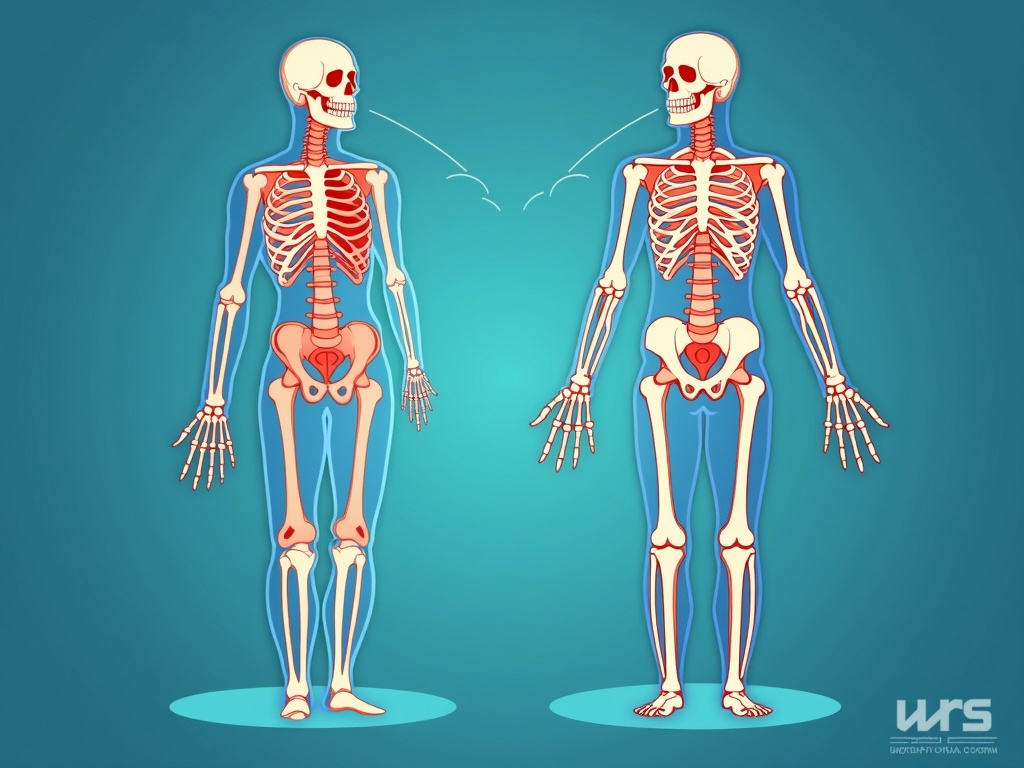
Specific Strategies for Common Problem Areas:
**Knees:Focus on strengthening the quadriceps, hamstrings, and calf muscles with exercises like squats, lunges, and hamstring curls. Also, ensure proper footwear with good support.
**Shoulders:Strengthen the rotator cuff muscles with exercises like external rotations, internal rotations, and rows. Maintain good posture and avoid repetitive overhead movements.
**Back:Strengthen the core muscles with exercises like planks, crunches, and back extensions. Practice good posture and lift heavy objects properly.
**Ankles:Strengthen the calf muscles with exercises like calf raises and heel walks. Improve ankle flexibility with exercises like ankle rotations and dorsiflexion stretches.
Debunking Common Myths About Joint Cracking
There are many misconceptions surrounding joint cracking. Here are a few common myths debunked:
**Myth: Cracking your knuckles causes arthritis.**
**Fact:Numerous studies have shown no link between knuckle cracking and arthritis. The cracking sound is simply the result of nitrogen bubbles bursting in the synovial fluid.
**Myth: If your joints don't crack, you have healthy joints.**
**Fact:The absence of joint cracking doesn't necessarily indicate healthy joints. Some individuals simply don't experience joint cracking, regardless of their joint health.
**Myth: Once your joints start cracking, they'll always crack.**
**Fact:While you may not be able to completely eliminate joint cracking, you can often reduce the frequency and severity of the noises by implementing the strategies outlined above.
When to See a Doctor or Physical Therapist
While most joint cracking is harmless, it's essential to seek professional medical advice if you experience any of the concerning symptoms mentioned earlier, such as pain, swelling, redness, or limited range of motion. A doctor or physical therapist can properly diagnose the underlying cause of your joint cracking and recommend appropriate treatment options, which may include:
**Physical Therapy:A physical therapist can help you develop a personalized exercise program to strengthen the muscles surrounding your joints, improve flexibility, and reduce pain.
**Pain Medication:Over-the-counter or prescription pain medications may be recommended to manage pain and inflammation.
**Injections:In some cases, injections of corticosteroids or hyaluronic acid may be used to reduce inflammation and lubricate the joint.
**Surgery:In rare cases, surgery may be necessary to repair damaged cartilage or ligaments.
Lifestyle Adjustments for Long-Term Joint Health
Beyond specific exercises and supplements, certain lifestyle adjustments can significantly impact your long-term joint health:
**Diet:An anti-inflammatory diet rich in fruits, vegetables, and healthy fats can help reduce joint pain and inflammation. Limit processed foods, sugary drinks, and red meat.
**Stress Management:Chronic stress can contribute to inflammation and joint pain. Practice stress-reducing techniques like yoga, meditation, or spending time in nature.
**Sleep:Getting enough sleep is crucial for tissue repair and overall health. Aim for 7-8 hours of sleep per night.
**Ergonomics:Ensure your workstation and daily activities are ergonomically sound to minimize stress on your joints.
Conclusion: Embrace Proactive Joint Care
Joint cracking is a common phenomenon that's usually harmless. However, understanding the potential causes and taking proactive steps to promote joint health can help minimize unwanted noises and maintain optimal joint function throughout your life. By staying hydrated, maintaining a healthy weight, exercising regularly, and listening to your body, you can keep your joints happy and healthy for years to come. Remember, when in doubt, always consult with a healthcare professional to address any concerns about your joint health. So, embrace the journey of proactive joint care, one crack-free (or at least quieter) step at a time!