
Rest Easy: Expert Tips for Sleeping Soundly with Joint Pain
Imagine finally drifting off to sleep, only to be jolted awake by a throbbing knee, a searing hip, or an aching shoulder. Joint pain can be a relentless sleep thief, turning peaceful nights into a frustrating cycle of tossing and turning. But don't resign yourself to sleeplessness. With the right strategies, you can reclaim your nights and wake up feeling refreshed, not defeated. This guide provides proven tips and techniques to help you manage joint pain and achieve restful sleep.
Understanding the Connection Between Joint Pain and Sleep
The relationship between joint pain and sleep is often a vicious cycle. Pain makes it difficult to fall asleep and stay asleep, and sleep deprivation can actually worsen pain. When you don't get enough sleep, your body's inflammatory response can increase, leading to heightened sensitivity to pain. Furthermore, lack of sleep can impair your body's natural healing processes, making it harder to recover from joint-related issues. Understanding this connection is the first step towards breaking the cycle and finding relief.
Common Causes of Joint Pain That Interfere With Sleep
**Arthritis:Osteoarthritis and rheumatoid arthritis are leading causes of joint pain, characterized by inflammation and cartilage damage.
**Bursitis:Inflammation of the bursae (fluid-filled sacs that cushion joints) can cause sharp, localized pain, especially in the shoulders, hips, and elbows.
**Tendinitis:Overuse or injury can lead to inflammation of the tendons, causing pain and stiffness in the affected joints.
**Fibromyalgia:This chronic condition causes widespread musculoskeletal pain, often accompanied by fatigue and sleep disturbances.
**Injuries:Sprains, strains, and fractures can result in acute joint pain that disrupts sleep.
Optimizing Your Sleep Environment
Creating a comfortable and supportive sleep environment is crucial for minimizing joint pain and promoting restful sleep.
Choosing the Right Mattress and Pillow
**Mattress:A medium-firm mattress is generally recommended for people with joint pain. It provides adequate support to maintain spinal alignment while still offering enough cushioning to relieve pressure points. Memory foam mattresses can conform to your body's contours, distributing weight evenly and reducing stress on joints.
**Pillow:The right pillow can support your neck and upper back, preventing pain and stiffness. Consider a cervical pillow designed to maintain proper spinal alignment, or a body pillow to support your entire body and reduce pressure on your hips and knees.
Adjusting Your Bedroom Temperature and Lighting
**Temperature:A cool bedroom temperature (around 60-67 degrees Fahrenheit) is ideal for sleep. Research shows that a cooler environment can help reduce inflammation and pain.
**Lighting:Darkness is essential for optimal sleep. Use blackout curtains to block out external light and avoid using electronic devices before bed, as the blue light emitted from screens can interfere with sleep.
Reducing Noise and Clutter
**Noise:Minimize noise distractions by using earplugs, a white noise machine, or a fan.
**Clutter:A cluttered bedroom can create stress and anxiety, making it harder to relax and fall asleep. Keep your bedroom tidy and organized to promote a sense of calm and tranquility.
The Best Sleep Positions for Joint Pain Relief
Your sleeping position can significantly impact your joint pain. Experiment with different positions to find what works best for you.
Sleeping on Your Back
Sleeping on your back is often recommended for people with joint pain because it distributes weight evenly and minimizes pressure on specific joints.
**Tips:Place a pillow under your knees to support your lower back and maintain spinal alignment. Use a thin pillow under your head to avoid straining your neck.
Sleeping on Your Side
If you prefer sleeping on your side, make sure to keep your spine aligned and avoid putting excessive pressure on your hips and shoulders.
**Tips:Place a pillow between your knees to keep your hips aligned and reduce strain on your lower back. Use a supportive pillow under your head to keep your neck in a neutral position. Avoid curling up too tightly, as this can exacerbate joint pain.
Sleeping on Your Stomach (Generally Not Recommended)
Sleeping on your stomach is generally not recommended for people with joint pain, as it can strain your neck and back. However, if you find it difficult to sleep in other positions, you can try to minimize the strain by:
**Tips:Place a thin pillow under your hips to reduce the arch in your lower back. Use a very thin pillow or no pillow under your head to avoid straining your neck.
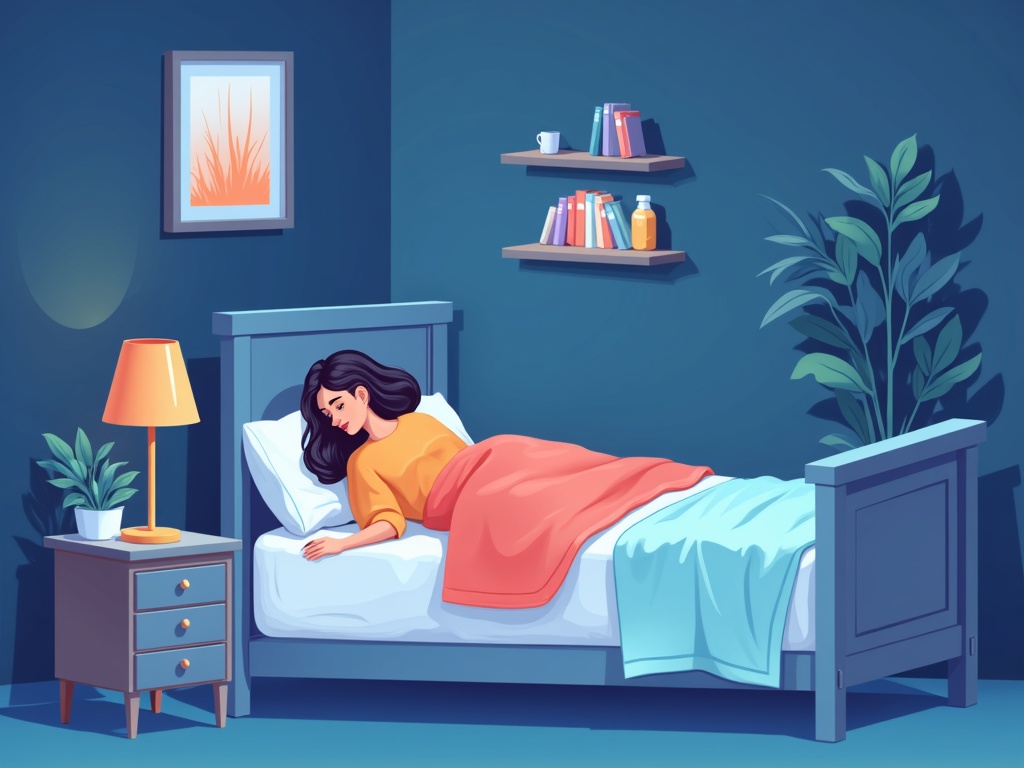
Pre-Sleep Routine for Joint Pain Management
Establishing a relaxing pre-sleep routine can help you manage joint pain and prepare your body for sleep.
Gentle Stretching and Exercise
Light stretching and gentle exercises can help loosen stiff joints and reduce pain before bed.
**Examples:**
**Cat-Cow Stretch:This yoga pose can improve spinal mobility and relieve back pain.
**Knee-to-Chest Stretch:This stretch can help relieve lower back and hip pain.
**Shoulder Rolls:These can help loosen tight shoulders and improve range of motion.
Warm Baths or Showers
Warm water can help relax muscles, reduce inflammation, and ease joint pain.
**Tips:Add Epsom salts to your bath for added relief. The magnesium in Epsom salts can help reduce muscle tension and inflammation.
Mindfulness and Relaxation Techniques
Stress and anxiety can worsen joint pain and interfere with sleep. Practicing mindfulness and relaxation techniques can help calm your mind and body.
**Examples:**
**Deep Breathing:Practice deep, slow breaths to calm your nervous system and reduce stress.
**Meditation:Even a few minutes of meditation can help quiet your mind and promote relaxation.
**Progressive Muscle Relaxation:This technique involves tensing and releasing different muscle groups to reduce tension throughout your body.
Dietary Considerations for Joint Pain and Sleep
What you eat can impact your joint pain and sleep quality. Consider making these dietary changes:
Anti-Inflammatory Foods
Foods rich in omega-3 fatty acids, antioxidants, and other anti-inflammatory compounds can help reduce joint pain.
**Examples:**
**Fatty Fish:Salmon, tuna, and mackerel are rich in omega-3 fatty acids.
**Fruits and Vegetables:Berries, cherries, spinach, and broccoli are packed with antioxidants.
**Nuts and Seeds:Walnuts, almonds, and flaxseeds are good sources of healthy fats and antioxidants.
Foods to Avoid
Certain foods can trigger inflammation and worsen joint pain.
**Examples:**
**Processed Foods:These are often high in sugar, unhealthy fats, and additives that can promote inflammation.
**Sugary Drinks:These can contribute to inflammation and weight gain, which can put extra stress on joints.
**Red Meat:High consumption of red meat has been linked to increased inflammation.
Herbal Remedies and Supplements
Some herbal remedies and supplements may help relieve joint pain and improve sleep. Always consult with your doctor before taking any new supplements.
**Examples:**
**Turmeric:Contains curcumin, a potent anti-inflammatory compound.
**Ginger:Has anti-inflammatory and pain-relieving properties.
**Melatonin:A hormone that regulates sleep.
Assistive Devices and Pain Management Tools
Various assistive devices and pain management tools can help you sleep more comfortably with joint pain.
Braces and Splints
Braces and splints can support your joints and reduce pain, especially during sleep.
**Examples:**
**Wrist Splints:Can help relieve pain from carpal tunnel syndrome or arthritis in the wrist.
**Knee Braces:Can provide support and stability to the knee joint.
**Ankle Braces:Can help stabilize the ankle and reduce pain from sprains or arthritis.
Heat and Cold Therapy
Applying heat or cold to your joints can help relieve pain and inflammation.
**Heat:Can help relax muscles, improve blood flow, and reduce stiffness.
**Cold:Can help reduce inflammation and numb pain.
**Tips:Experiment to see what works best for you. Some people find that heat is more effective for chronic pain, while cold is better for acute pain. Never apply ice directly to the skin. [externalLink insert]
TENS Units
Transcutaneous electrical nerve stimulation (TENS) units deliver mild electrical impulses to the skin, which can help reduce pain signals.
When to Seek Professional Help
If your joint pain is severe, persistent, or interfering with your daily life, it's important to seek professional help. A doctor can diagnose the underlying cause of your pain and recommend appropriate treatment options.
**Signs to See a Doctor:**
**Severe Pain:Pain that is unbearable or doesn't respond to home remedies.
**Persistent Pain:Pain that lasts for more than a few weeks.
**Swelling or Redness:Signs of inflammation or infection.
**Limited Range of Motion:Difficulty moving your joints.
**Numbness or Tingling:Sensations that may indicate nerve damage.
Don't let joint pain steal another night's sleep. By implementing these tips and techniques, you can manage your pain, improve your sleep quality, and wake up feeling refreshed and ready to face the day. Remember to consult with your doctor to determine the best course of treatment for your specific condition. Sweet dreams!