
Unlocking Nature's Pharmacy: The Power of Natural Antiviral Foods and Herbs
Imagine your body as a fortress, constantly under siege from microscopic invaders. Viruses, those cunning little entities, are always looking for a weak spot to infiltrate and wreak havoc. But what if you could bolster your defenses, not with synthetic concoctions, but with the potent arsenal of nature itself? The world of natural antiviral foods and herbs offers a wealth of options for strengthening your immune system and fighting off viral infections.
Understanding Viral Infections and the Immune System
Before diving into specific foods and herbs, it's crucial to understand how viruses operate and how our immune system responds. Viruses are essentially genetic material encased in a protein shell. They hijack our cells to replicate, leading to illness. Our immune system, a complex network of cells, tissues, and organs, is designed to recognize and neutralize these threats.
A robust immune system is key to fighting off viral infections. It employs various strategies, including:
- Antibody production: Antibodies are proteins that bind to viruses, marking them for destruction.
- Cell-mediated immunity: Immune cells, like T cells, directly attack and kill infected cells.
- Interferon production: Interferons are signaling molecules that interfere with viral replication and alert other immune cells.
Viral infections can range from mild colds to severe illnesses like influenza and herpes. While conventional antiviral medications exist, they often come with side effects. Natural antiviral foods and herbs can offer a gentler, more holistic approach to supporting your immune system and combating viral infections.
Top Natural Antiviral Foods to Incorporate into Your Diet
Your kitchen can be your first line of defense against viruses. Numerous foods possess natural antiviral properties, thanks to their rich content of vitamins, minerals, and bioactive compounds. Here are some standout examples:
Garlic: The Stinking Rose with a Punch
Garlic, a culinary staple in many cultures, is renowned for its medicinal properties, including its antiviral effects. Allicin, a compound formed when garlic is crushed or chopped, is believed to be responsible for much of its antiviral activity. Studies have shown that garlic can inhibit the replication of various viruses, including influenza and herpes simplex virus (HSV).
How to use it: Add fresh garlic to your meals, make garlic-infused oil, or take garlic supplements.
Ginger: The Spicy Root with Healing Powers
Ginger, another versatile culinary ingredient, boasts potent antiviral and anti-inflammatory properties. It contains compounds like gingerol and zingerone, which have been shown to inhibit viral replication and boost the immune system. Ginger can also help alleviate symptoms associated with viral infections, such as nausea and sore throat.
How to use it: Add fresh ginger to stir-fries, soups, and teas, or take ginger supplements.
Onions: Another Allium Ally
Like garlic, onions belong to the allium family and share similar antiviral properties. They contain quercetin, a flavonoid with potent antioxidant and anti-inflammatory effects. Quercetin has been shown to inhibit the replication of various viruses, including influenza and rhinovirus (the common cold virus).
How to use it: Incorporate onions into your daily cooking, whether sauteed, roasted, or added raw to salads.
Citrus Fruits: Vitamin C Powerhouses
Citrus fruits like oranges, lemons, grapefruits, and limes are packed with vitamin C, a well-known immune booster. Vitamin C supports the production of white blood cells, which are crucial for fighting off infections. It also acts as an antioxidant, protecting cells from damage caused by viral infections.
How to use it: Enjoy fresh citrus fruits, drink freshly squeezed juice, or add lemon or lime to your water.
Berries: Antioxidant-Rich Viral Fighters
Berries like blueberries, raspberries, strawberries, and cranberries are rich in antioxidants, particularly flavonoids like anthocyanins. These compounds have been shown to have antiviral effects, inhibiting the replication of various viruses and boosting the immune system.
How to use it: Eat fresh or frozen berries as a snack, add them to smoothies or yogurt, or make berry-infused jams and sauces.
Mushrooms: The Fungal Fortress
Certain types of mushrooms, like shiitake, maitake, and reishi, are known for their immune-boosting and antiviral properties. They contain polysaccharides, complex carbohydrates that stimulate the immune system and enhance its ability to fight off infections.
How to use it: Add these mushrooms to your meals, take mushroom supplements, or drink mushroom-based teas.
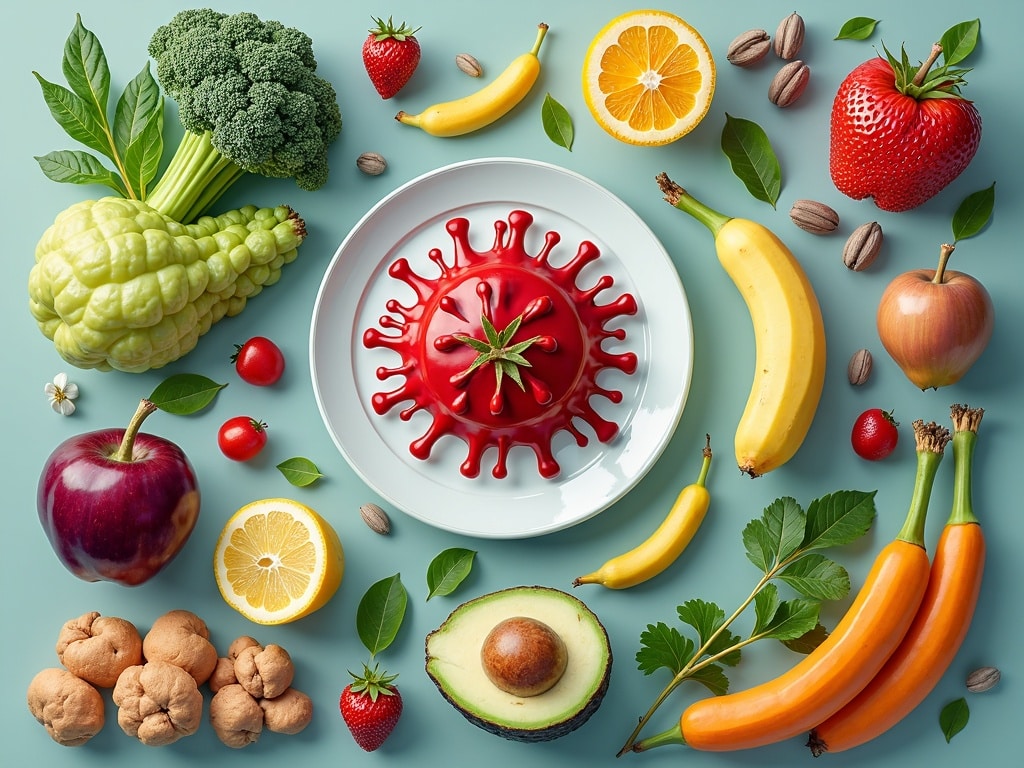
Harnessing the Antiviral Power of Herbs
Beyond foods, the plant kingdom offers a plethora of herbs with potent antiviral properties. These herbs have been used for centuries in traditional medicine to combat infections and support overall health.
Elderberry: The Flu Fighter
Elderberry is perhaps the most well-known antiviral herb. Studies have shown that elderberry extract can significantly reduce the duration and severity of influenza infections. It contains compounds that inhibit the virus's ability to enter and infect cells. [externalLink insert]
How to use it: Take elderberry syrup, capsules, or lozenges, or drink elderberry tea.
Echinacea: The Immune Booster
Echinacea is another popular herb known for its immune-stimulating properties. It can help boost the production of white blood cells and enhance the activity of immune cells, making them more effective at fighting off viral infections.
How to use it: Take echinacea capsules, tablets, or liquid extract, or drink echinacea tea.
Licorice Root: A Sweet Antiviral
Licorice root contains glycyrrhizin, a compound with potent antiviral and anti-inflammatory properties. Glycyrrhizin has been shown to inhibit the replication of various viruses, including herpes simplex virus (HSV) and hepatitis C virus (HCV).
How to use it: Drink licorice root tea or take licorice root supplements. However, it's important to note that licorice root can raise blood pressure in some individuals, so it should be used with caution.
Olive Leaf Extract: The Mediterranean Marvel
Olive leaf extract contains oleuropein, a compound with potent antiviral, antibacterial, and antifungal properties. Oleuropein has been shown to inhibit the replication of various viruses, including influenza and HIV.
How to use it: Take olive leaf extract capsules or liquid extract.
Astragalus: The Adaptogenic Ally
Astragalus is an adaptogenic herb, meaning it helps the body adapt to stress and maintain balance. It also has immune-stimulating and antiviral properties, helping to boost the body's natural defenses against viral infections.
How to use it: Take astragalus capsules, tablets, or liquid extract, or add astragalus root to soups and stews.
Lifestyle Strategies to Complement Natural Antivirals
While incorporating natural antiviral foods and herbs into your diet can be incredibly beneficial, it's essential to remember that they are just one piece of the puzzle. A healthy lifestyle is crucial for maintaining a strong immune system and preventing viral infections. Here are some key lifestyle strategies to complement your antiviral efforts:
- Get enough sleep: Aim for 7-8 hours of quality sleep per night. Sleep deprivation can weaken the immune system.
- Manage stress: Chronic stress can suppress the immune system. Practice stress-reducing techniques like meditation, yoga, or spending time in nature.
- Exercise regularly: Regular physical activity can boost the immune system and improve overall health.
- Maintain a healthy weight: Obesity can weaken the immune system and increase the risk of infections.
- Practice good hygiene: Wash your hands frequently with soap and water, especially after being in public places.
- Avoid smoking and excessive alcohol consumption: These habits can weaken the immune system.
Important Considerations and Precautions
While natural antiviral foods and herbs are generally safe, it's important to be aware of potential interactions and precautions:
- Allergies: Be aware of any potential allergies to foods or herbs before consuming them.
- Drug interactions: Some herbs can interact with certain medications. Consult with your doctor or pharmacist before taking herbal supplements, especially if you are taking prescription medications.
- Pregnancy and breastfeeding: Some herbs are not safe for pregnant or breastfeeding women. Consult with your doctor before using any herbs if you are pregnant or breastfeeding.
- Dosage: Follow the recommended dosage guidelines for herbal supplements. Taking too much of an herb can lead to adverse effects.
Embrace Nature's Defense
By incorporating natural antiviral foods and herbs into your diet and adopting a healthy lifestyle, you can empower your body to fight off viral infections and maintain optimal health. Nature offers a wealth of resources to support your immune system and protect you from the constant threat of viral invaders. So, embrace the power of natural antivirals and unlock your body's innate ability to heal and thrive.