
Joint Pain and Inflammation Diet: Natural Relief Through Food
Imagine waking up each morning with a body that moves freely, without the nagging aches and stiffness that joint pain brings. What if you could reduce inflammation and ease discomfort simply by making smarter choices about what you eat? It's not a fantasy. A well-planned diet can be a powerful tool in managing joint pain and inflammation, offering a path to greater comfort and mobility.
Understanding the Connection: Food, Inflammation, and Joint Pain
Chronic inflammation is often at the root of joint pain. Conditions like osteoarthritis, rheumatoid arthritis, and gout all involve inflammatory processes that damage joint tissues, causing pain, swelling, and stiffness. While medication and physical therapy are crucial components of managing these conditions, diet plays a significant role in controlling inflammation. Certain foods can exacerbate inflammation, while others can help to quell it.
The Inflammatory Culprits: Foods to Limit or Avoid
Certain dietary components are known to trigger or worsen inflammation. Identifying and limiting these culprits is the first step towards an anti-inflammatory diet:
- Processed Foods: These are often high in refined sugars, unhealthy fats, and artificial additives, all of which can promote inflammation.
- Sugary Drinks: Sodas, fruit juices, and other sweetened beverages contribute to inflammation and weight gain, further stressing joints.
- Refined Carbohydrates: White bread, pasta, and pastries quickly convert to sugar in the body, leading to inflammation spikes.
- Red Meat: High consumption of red meat (beef, pork, lamb) has been linked to increased levels of inflammation, particularly in the context of arthritis.
- Excessive Alcohol: Alcohol can disrupt the gut microbiome and increase inflammation throughout the body.
- Certain Vegetable Oils: Oils high in omega-6 fatty acids, like corn, sunflower, and soybean oil, can promote inflammation when consumed in excess, especially without adequate omega-3 intake.
The Anti-Inflammatory Arsenal: Foods That Fight Back
Now for the good news! Many delicious and readily available foods possess potent anti-inflammatory properties. Incorporating these into your daily meals can significantly reduce joint pain and improve overall well-being.
- Fatty Fish: Salmon, mackerel, sardines, and tuna are rich in omega-3 fatty acids, powerful anti-inflammatory compounds that can reduce joint pain and stiffness. Aim for at least two servings per week.
- Olive Oil: Extra virgin olive oil contains oleocanthal, a natural compound with similar anti-inflammatory effects to ibuprofen. Use it generously in salads, dressings, and for light cooking.
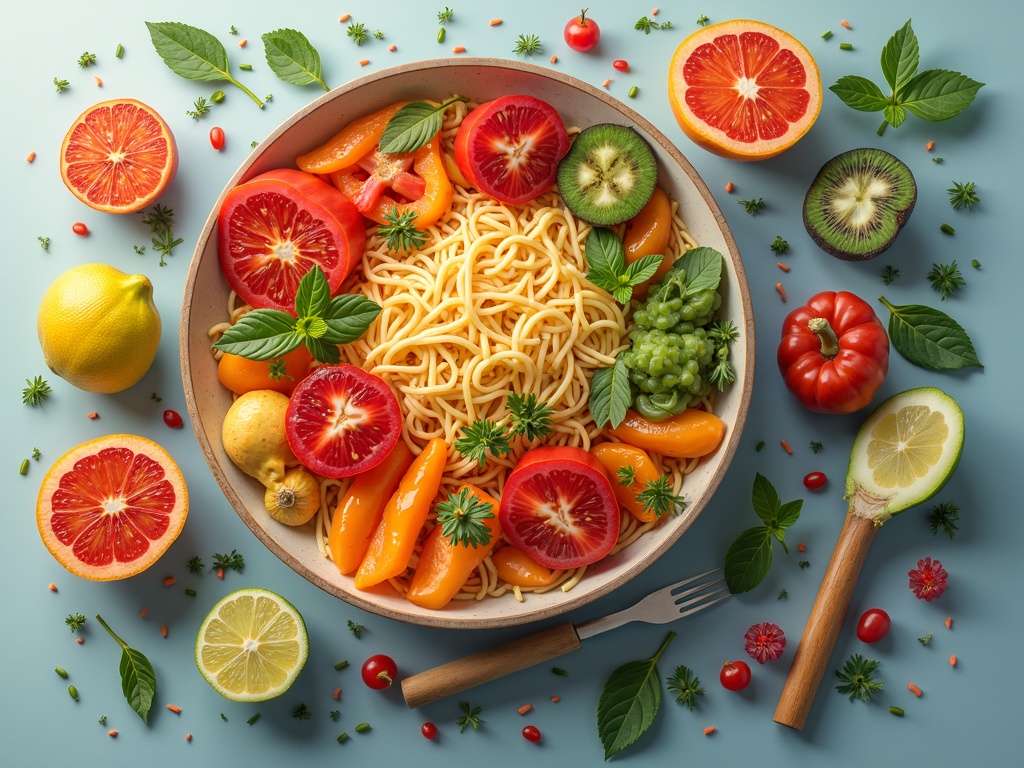
- Fruits and Vegetables: A rainbow of fruits and vegetables provides a wealth of antioxidants and phytonutrients that combat inflammation. Berries, cherries, leafy greens, broccoli, and bell peppers are particularly beneficial.
- Nuts and Seeds: Almonds, walnuts, flaxseeds, and chia seeds are excellent sources of omega-3 fatty acids, healthy fats, and antioxidants. Snack on them, add them to yogurt or salads, or use them in baking.
- Whole Grains: Opt for whole grains like brown rice, quinoa, and oats instead of refined carbohydrates. They provide fiber and nutrients that support gut health and reduce inflammation.
- Legumes: Beans, lentils, and chickpeas are rich in fiber, protein, and antioxidants. They can help regulate blood sugar levels and reduce inflammation.
- Spices: Turmeric, ginger, and garlic are potent anti-inflammatory spices that can be easily incorporated into your meals. Turmeric contains curcumin, a compound with powerful antioxidant and anti-inflammatory effects.
Building Your Anti-Inflammatory Meal Plan: Practical Tips and Ideas
Creating a diet that effectively combats joint pain and inflammation doesn't require drastic changes. It's about making informed choices and gradually incorporating anti-inflammatory foods into your daily routine. Here are some practical tips and ideas to get you started:
Breakfast
- Oatmeal with Berries and Nuts: A warm bowl of oatmeal topped with fresh berries, chopped nuts, and a sprinkle of chia seeds provides sustained energy and anti-inflammatory benefits.
- Smoothie Powerhouse: Blend spinach, berries, banana, almond milk, and a scoop of protein powder for a nutrient-packed and anti-inflammatory breakfast.
- Avocado Toast with Smoked Salmon: Whole-grain toast topped with mashed avocado and smoked salmon provides healthy fats, omega-3s, and fiber.
Lunch
- Salmon Salad with Olive Oil Dressing: Grilled or baked salmon served atop a bed of mixed greens with a simple olive oil and lemon dressing is a delicious and anti-inflammatory lunch option.
- Quinoa Bowl with Roasted Vegetables: Combine cooked quinoa with roasted vegetables like broccoli, bell peppers, and zucchini, seasoned with herbs and spices.
- Lentil Soup: A hearty and flavorful lentil soup is packed with fiber, protein, and antioxidants.
Dinner
- Baked Chicken with Roasted Vegetables: Baked chicken breast or thighs served with a medley of roasted vegetables like sweet potatoes, Brussels sprouts, and carrots, seasoned with garlic and herbs.
- Stir-Fry with Tofu and Broccoli: A vibrant stir-fry with tofu, broccoli, brown rice, and a ginger-garlic sauce.
- Salmon with Asparagus: Baked or pan-seared salmon served with steamed or roasted asparagus.
Snacks
- A Handful of Almonds or Walnuts: A quick and easy snack that provides healthy fats and antioxidants.
- Greek Yogurt with Berries: A protein-rich and satisfying snack with added anti-inflammatory benefits from the berries.
- Apple Slices with Peanut Butter: A classic combination that provides fiber, healthy fats, and sustained energy.
Hydration is Key: Drink Plenty of Water
Staying well-hydrated is crucial for overall health and can also help to reduce joint pain. Water helps to lubricate joints and flush out toxins that can contribute to inflammation. Aim to drink at least eight glasses of water per day.
Beyond Diet: Lifestyle Factors for Joint Pain Management
While diet is a cornerstone of managing joint pain and inflammation, it's important to consider other lifestyle factors that can contribute to your overall well-being:
- Regular Exercise: Low-impact exercises like walking, swimming, and cycling can help to strengthen muscles, improve joint mobility, and reduce pain.
- Maintain a Healthy Weight: Excess weight puts extra stress on joints, particularly in the knees and hips. Losing even a small amount of weight can make a significant difference.
- Manage Stress: Chronic stress can exacerbate inflammation. Practice relaxation techniques like yoga, meditation, or deep breathing exercises.
- Get Enough Sleep: Sleep deprivation can increase inflammation and worsen pain. Aim for at least 7-8 hours of quality sleep per night.
Consider consulting with a registered dietitian or nutritionist for personalized guidance on creating an anti-inflammatory diet tailored to your specific needs and health conditions. They can help you identify potential food sensitivities, develop a balanced meal plan, and monitor your progress.
The Takeaway: Empowering Yourself Through Food
Managing joint pain and inflammation is an ongoing process that requires a holistic approach. By adopting an anti-inflammatory diet, prioritizing regular exercise, managing stress, and getting enough sleep, you can empower yourself to take control of your health and live a more comfortable and active life. The journey starts with small, consistent changes that lead to significant improvements in your overall well-being. Embrace the power of food as medicine, and unlock your body's natural healing potential.